

Tyrol Tyrol 1 kreuzer, ND (1619)
Description:
1 kreuzer Tyrol 1 kreuzer, ND (1619) coin from Tyrol. Design, history & value.
Introduction
The Tyrol 1 kreuzer copper coin, minted in the year 1619, holds a significant place in the numismatic history of Tyrol. This small denomination coin carries with it a rich historical narrative and unique design elements that make it a sought-after piece for collectors worldwide.
Historical Background
Issued by the Tyrol region, known for its stunning mountain landscapes and rich cultural heritage, this 1 kreuzer coin was part of the coinage system during the period of 1564 to 1665. Tyrol, a county in the Holy Roman Empire, produced coins that reflected the region's economic and political importance during that era.
Coin Images
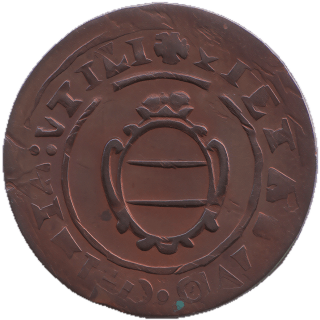 Obverse
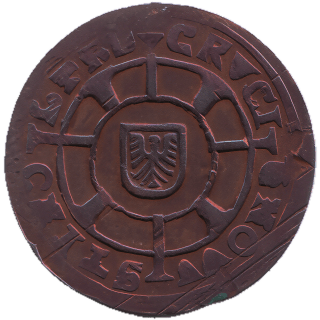 Reverse
Design Features
The obverse of the coin features the Latin inscription "PIETAS AD OMNIA UTILIS," emphasizing the virtue of piety being useful in all things. On the reverse, the inscription "CRVSI GNOVV STIROL ENSIS" is displayed, translating to "Known Cross of Tyrol's Sword." These inscriptions, coupled with the intricate design elements, provide insight into the religious and regional symbolism prevalent during the coin's minting.
Technical Specifications
This 1 kreuzer coin weighs 0.80 grams and has a diameter of 17.00mm. Crafted from copper, it showcases the skilled minting techniques of the time, capturing the essence of Tyrolean coinage during the 17th century.
Collectible Value
Due to its historical significance and unique design, the Tyrol 1 kreuzer copper coin from 1619 holds a special place in the collections of numismatists. Its market value can vary based on factors such as condition, rarity, and demand among collectors. This coin's collectible value extends beyond its monetary worth, offering enthusiasts a tangible link to Tyrol's past.
Conclusion
In conclusion, the Tyrol 1 kreuzer copper coin of 1619 encapsulates the essence of Tyrolean numismatics during the late 16th and early 17th centuries. Its historical importance, coupled with its intricate design features, makes it a prized possession for collectors interested in the rich heritage of Tyrol's coinage. Understanding the significance of this coin not only adds value to one's collection but also provides a glimpse into the cultural and economic landscape of Tyrol during that period.

ScanMyCoin: AI Coin Recognition
Professional AI coin recognition and collection management platform. Identify, learn, and track your coin collection with advanced AI technology and a vast.