

Styria Styria 3 kreuzer, 1617
Description:
3 kreuzer Styria 3 kreuzer, 1617 coin from Styria. Design, history & value.
Introduction
The Styria 3 kreuzer silver coin minted in 1617 holds a significant place in numismatic history as it represents the Duchy of Styria during a pivotal period. This coin encapsulates the artistry and economic prowess of the region during the 17th century.
Historical Background
The Duchy of Styria, located in present-day Austria and Slovenia, was a prominent state within the Holy Roman Empire. The issuance of the 3 kreuzer coin in 1617 underlines the importance of economic stability and trade within the region during this era. The reign of Archduke Ferdinand II, as depicted on the coin, marked a period of cultural flourishing and political influence for Styria.
Coin Images
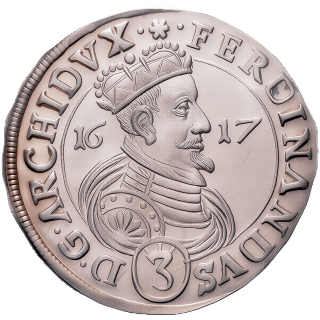 Obverse
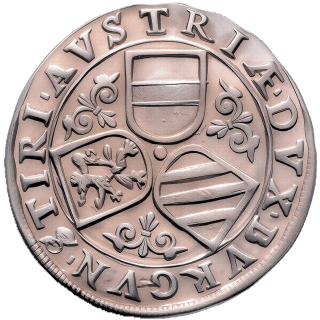 Reverse
Design Features
The obverse of the coin features the inscription "1617 / 3 / FERDINANDVS D G ARCHIDVX," showcasing the year of minting and the title of Archduke Ferdinand II. The reverse design displays "AVSTRIÆ DVX BVRGVND STYRI," highlighting the territories under Ferdinand II's rule.
Technical Specifications
This Styria 3 kreuzer coin weighs 1.70g with a diameter of 21.00mm, making it a compact yet valuable piece of silver currency. The composition of silver adds to its allure and historical significance, reflecting the economic strength of Styria during the 17th century.
Collectible Value
The Styria 3 kreuzer 1617 coin holds both historical and collectible value in the numismatic world. Its rarity and connection to a specific time period make it a sought-after piece among collectors. The market value of this coin may vary based on its condition, historical provenance, and demand from collectors interested in the Duchy of Styria coinage.
Conclusion
In conclusion, the Styria 3 kreuzer 1617 silver coin stands as a symbol of the economic prosperity and cultural richness of the Duchy of Styria. Its intricate design, historical significance, and collectible value make it a prized possession for numismatists and history enthusiasts alike. Owning this coin not only adds a piece of history to a collection but also connects the collector to a vibrant period in Styria's past.

ScanMyCoin: AI Coin Recognition
Professional AI coin recognition and collection management platform. Identify, learn, and track your coin collection with advanced AI technology and a vast.