

Spanish Netherlands Spanish Netherlands 1 oord, 1712-1716
Description:
1 oord Spanish Netherlands 1 oord, 1712-1716 coin from Spanish Netherlands. Design, history & value.
Introduction
The Spanish Netherlands 1 oord coin minted between 1712 and 1716 in the Duchy of Brabant holds a unique place in numismatic history. This copper coin bears the intricate designs that reflect the rich cultural heritage of the region and the political landscape of the time.
Historical Background
Issued by the Spanish Netherlands during the rule of Charles VI, the coin symbolizes the authority of the Spanish crown over the region of Brabant. The Duchy of Brabant, with its strategic location in modern-day Belgium and the Netherlands, played a crucial role in European politics during the 17th and 18th centuries.
Coin Images
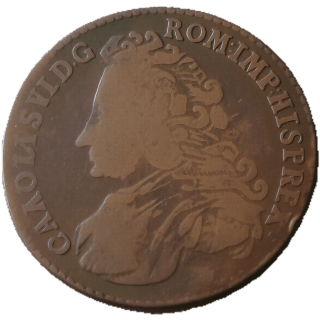 Obverse
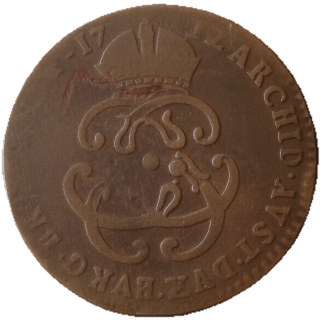 Reverse
Design Features
The obverse of the coin features the inscription "CAROLVS VI D G ROM IMP HISP REX," indicating the title of Charles VI as the Holy Roman Emperor and King of Spain. On the reverse side, the coin displays the inscription "ARCHID AVST DVX BVRG BRABANT Z / C," representing Charles VI as the Archduke of Austria and Duke of Brabant.
Technical Specifications
This 1 oord coin weighs 3.04 grams and has a diameter of 25.00mm. Crafted from copper, the coin showcases the skilled minting techniques of the era, with clear and detailed engravings on both sides.
Collectible Value
The Spanish Netherlands 1 oord coin is a sought-after piece among numismatists due to its historical significance and unique designs. Collectors value this coin for its representation of the political and cultural influences of the Spanish Netherlands during the early 18th century. Its rarity and connection to the Duchy of Brabant add to its collectible appeal.
Conclusion
In conclusion, the Spanish Netherlands 1 oord coin from 1712-1716 is not just a piece of currency but a symbol of a bygone era. Its intricate designs and historical context make it a valuable addition to any coin collection, offering a glimpse into the fascinating history of the Spanish Netherlands and the Duchy of Brabant. By delving into the details of this copper coin, collectors and enthusiasts can appreciate the artistry and significance encapsulated in this numismatic treasure from the early 18th century.

ScanMyCoin: AI Coin Recognition
Professional AI coin recognition and collection management platform. Identify, learn, and track your coin collection with advanced AI technology and a vast.