
Saxony Saxony ⅓ thaler, 1763
Description:
⅓ thaler Saxony ⅓ thaler, 1763 coin from Saxony. Design, history & value.
Introduction
The Saxony ⅓ thaler, minted in 1763, stands as a testament to the rich numismatic history of the Electorate of Saxony. This silver coin carries not only monetary value but also historical and artistic significance, making it a prized possession for collectors worldwide.
Historical Background
During the period of the Electorate of Saxony (1694 - 1763), coins like the ⅓ thaler were essential for trade and commerce. The rulers of Saxony issued these coins as a symbol of their power and authority, showcasing the region's economic prosperity at the time.
Coin Images
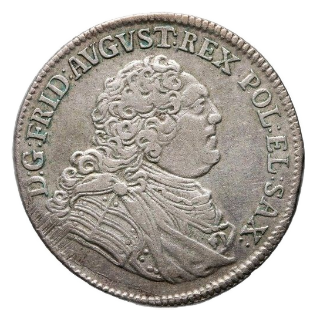 Obverse
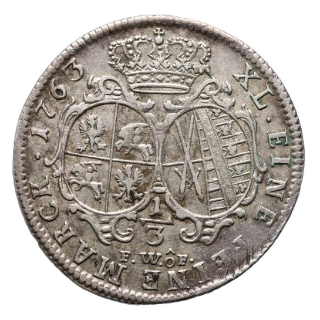 Reverse
Design Features
The obverse of the Saxony ⅓ thaler features the inscription "D G FRID AUGUST REX POL EL SAX," highlighting the name of the reigning monarch, Frederick Augustus III. On the reverse, the coin displays "1/3" above "XL EINE FEINE MARCK," indicating its denomination and value in the local currency.
Technical Specifications
This silver coin weighs 9.60g and has a diameter of 30.00mm, making it a substantial piece in terms of size and weight. Crafted from silver, the Saxony ⅓ thaler exemplifies the fine artistry and precision of the minting process during the 18th century.
Collectible Value
Due to its historical significance and limited mintage, the Saxony ⅓ thaler holds considerable collectible value among numismatists. The rarity of this coin, coupled with its intricate design and well-preserved condition, makes it a sought-after piece for collectors looking to enrich their portfolios.
Conclusion
In conclusion, the Saxony ⅓ thaler of 1763 encapsulates the essence of a bygone era, offering a glimpse into the economic, political, and artistic landscape of the Electorate of Saxony. Whether for its historical importance or collectible allure, this silver coin remains a cherished artifact for numismatists and history enthusiasts alike.

ScanMyCoin: AI Coin Recognition
Professional AI coin recognition and collection management platform. Identify, learn, and track your coin collection with advanced AI technology and a vast.