
Saxony Saxony ⅔ thaler, 1734-1762
Description:
⅔ thaler Saxony ⅔ thaler, 1734-1762 coin from Saxony. Design, history & value.
Introduction
The Saxony ⅔ Thaler coin, minted between 1734 and 1762, holds a significant place in the numismatic history of the Electorate of Saxony. This silver coin not only showcases the artistic prowess of the era but also reflects the political and economic landscape of the region during that period.
Historical Background
Issued by Saxony, a prominent state in the Holy Roman Empire, the ⅔ Thaler coin was part of the region's monetary system during the 18th century. Saxony, known for its rich mining industry, particularly in silver, utilized coins like the ⅔ Thaler to facilitate trade and commerce within its territories and beyond.
Coin Images
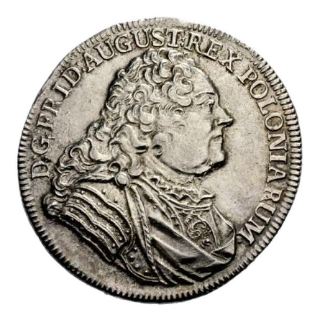 Obverse
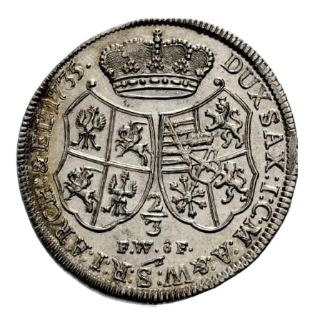 Reverse
Design Features
The obverse of the coin features the Latin inscription "D G FRID AUGUST REX POLONIARUM," indicating "By the Grace of God, Frederick Augustus, King of Poland." On the reverse, the design includes "2/3 / DUX SAX I C M A & W S R I ARCH & EL," signifying the ruler as Duke of Saxony and Arch-Marshal of the Holy Roman Empire.
Technical Specifications
This silver coin weighs 19.20 grams and has a diameter of 35.00mm, making it a substantial piece in terms of both weight and size. The composition of silver adds to its intrinsic value and historical significance.
Collectible Value
The Saxony ⅔ Thaler is a sought-after coin among collectors due to its historical importance and limited mintage period. Its market value varies based on factors such as condition, rarity, and demand. Collectors value this coin not only for its monetary worth but also for its connection to the vibrant history of Saxony.
Conclusion
In conclusion, the Saxony ⅔ Thaler silver coin from the period of 1734-1762 stands as a testament to the artistry and economic strength of Saxony during the 18th century. Its intricate design and historical significance make it a valuable addition to any numismatic collection, appealing to both seasoned collectors and history enthusiasts alike. By delving into the details of this coin, one can appreciate the craftsmanship and legacy encapsulated within its silver form, making it a prized piece for those passionate about the history of coinage in Saxony and beyond.

ScanMyCoin: AI Coin Recognition
Professional AI coin recognition and collection management platform. Identify, learn, and track your coin collection with advanced AI technology and a vast.