
Saxony Saxony ⅓ thaler, 1734-1762
Description:
⅓ thaler Saxony ⅓ thaler, 1734-1762 coin from Saxony. Design, history & value.
Introduction
The Saxony ⅓ thaler, minted between 1734 and 1762, stands as a testament to the rich numismatic history of the Electorate of Saxony. This silver coin holds immense historical and collectible significance, making it a prized possession for numismatists worldwide.
Historical Background
Saxony, renowned for its silver mining heritage, issued the ⅓ thaler as part of its coinage system during the period of 1734-1762. This coin reflects the economic and political landscape of the Electorate of Saxony during the mid-18th century, showcasing the region's prosperity and influence.
Coin Images
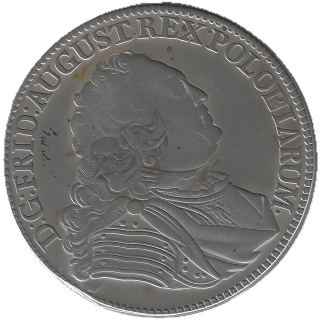 Obverse
 Reverse
Design Features
The obverse of the Saxony ⅓ thaler features the inscription "D G FRID AUGUST REX POLONIARUM," honoring Frederick Augustus II, King of Poland. On the reverse, the design displays "1/3 / DUX SAX I C M A & W S R I ARCH & EL," signifying the Duke of Saxony.
Technical Specifications
Weighing 9.60g and measuring 30.00mm in diameter, this silver coin boasts a striking appearance. The composition of silver adds to its allure, highlighting the craftsmanship and quality of coinage during that era.
Collectible Value
The Saxony ⅓ thaler holds considerable value in the numismatic world, both in terms of historical significance and collectibility. Its rarity, coupled with its well-preserved condition, can significantly impact its market value, making it a sought-after item among coin collectors.
Conclusion
In conclusion, the Saxony ⅓ thaler from 1734-1762 remains a prized possession for collectors and enthusiasts alike. Its rich history, intricate design, and precious metal content make it a valuable addition to any numismatic collection. Embrace the opportunity to own a piece of Saxony's past with this exquisite silver coin.

ScanMyCoin: AI Coin Recognition
Professional AI coin recognition and collection management platform. Identify, learn, and track your coin collection with advanced AI technology and a vast.