

Saxony Saxony ⅙ thaler, 1734-1755
Description:
⅙ thaler Saxony ⅙ thaler, 1734-1755 coin from Saxony. Design, history & value.
1. Introduction
The Saxony ⅙ Thaler, minted from 1734 to 1755, holds a significant place in numismatic history due to its association with the Electorate of Saxony. This silver coin showcases exquisite craftsmanship and historical importance that captivates collectors worldwide.
2. Historical Background
Issued by Saxony, a prominent German state, this coin was part of the Electorate of Saxony coinage system from 1694 to 1763. The period between 1734-1755 marked a crucial era in Saxony's history, reflecting the political and economic landscape of the region.
3. Design Features
The obverse of the coin features the inscription "D G FRID AUGUST REX POLONIARUM," highlighting the ruler's name and title. On the reverse side, the design includes "1/6 / DUX SAX I C M A & W S R I ARCH & EL," indicating the fractional value and the various titles of the ruler.
4. Technical Specifications
This silver coin weighs 3.32g and has a diameter of 26.00mm, making it a compact yet substantial piece. The composition of silver adds to its intrinsic value and historical charm, appealing to both collectors and enthusiasts.
5. Collectible Value
The Saxony ⅙ Thaler from 1734-1755 carries significant collectible value due to its historical significance and limited mintage period. Its rarity level and market demand contribute to its appeal among numismatists seeking unique pieces from the Electorate of Saxony era.
6. Conclusion
In conclusion, the Saxony ⅙ Thaler coin minted between 1734-1755 represents a blend of artistry, history, and numismatic significance. Its intricate design, historical context, and collectible value make it a prized possession for collectors interested in German coinage history. By delving into the details of this silver coin, one can appreciate the craftsmanship and legacy it embodies from the Electorate of Saxony's era.
Coin Images
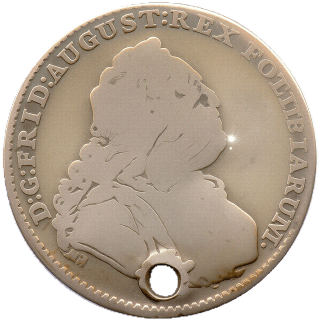 Obverse
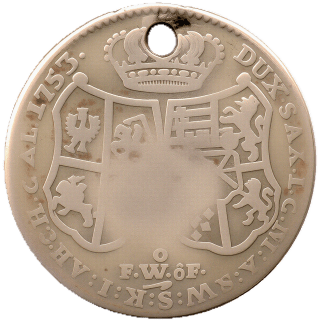 Reverse

ScanMyCoin: AI Coin Recognition
Professional AI coin recognition and collection management platform. Identify, learn, and track your coin collection with advanced AI technology and a vast.