

Saxony Saxony ⅙ thaler, 1698-1700
Description:
⅙ thaler Saxony ⅙ thaler, 1698-1700 coin from Saxony. Design, history & value.
Introduction
The Saxony ⅙ thaler, minted between 1698 and 1700, holds a significant place in the numismatic history of the Electorate of Saxony. This silver coin not only reflects the economic and political landscape of the late 17th century but also showcases the artistic prowess of the time.
Historical Background
During this period, Saxony, under the rule of Augustus II the Strong, was a prominent German state known for its rich mineral resources, including silver. The issuance of the ⅙ thaler was part of a broader coinage reform aimed at stabilizing the economy and asserting Saxony's influence in the region.
Coin Images
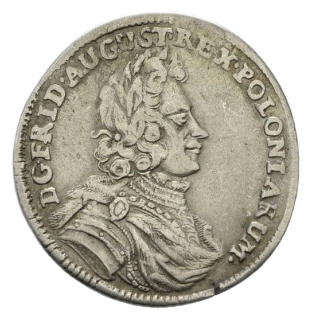 Obverse
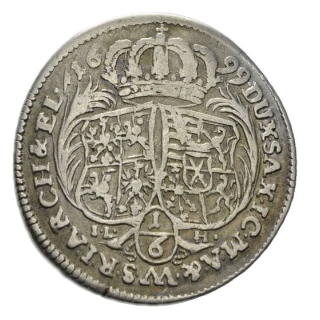 Reverse
Design Features
The obverse of the coin features the inscription "D G FRID AUGUST REX POLONIARUM," highlighting the royal title of Augustus II as the King of Poland. On the reverse, the design includes the fraction "1/6" denoting the denomination, along with the intricate monogram "DUX SAX I C M A & W S R I ARCHIM & EL," representing the Duke of Saxony.
Technical Specifications
This coin weighs 4.33 grams and has a diameter of 26.00mm. Crafted from silver, it embodies the fine craftsmanship characteristic of Saxon coinage during the late 17th century.
Collectible Value
The Saxony ⅙ thaler from 1698-1700 holds significant collectible value among numismatists and coin enthusiasts. Its historical significance, coupled with its limited mintage and unique design, contribute to its desirability among collectors. Rarity levels may vary, impacting its market value.
Conclusion
In conclusion, the Saxony ⅙ thaler from the late 17th century stands as a testament to the rich numismatic heritage of the Electorate of Saxony. Its historical importance, coupled with its aesthetic appeal and collectible value, make it a prized possession for collectors and a valuable piece of history for all who appreciate the artistry and legacy of coinage from this era.

ScanMyCoin: AI Coin Recognition
Professional AI coin recognition and collection management platform. Identify, learn, and track your coin collection with advanced AI technology and a vast.