

Saxony Saxony 5 thaler, 1777-1785
Description:
5 thaler Saxony 5 thaler, 1777-1785 coin from Saxony. Design, history & value.
Introduction
The Saxony 5 thaler gold coin minted between 1777 and 1785 stands as a testament to the numismatic heritage of the Electorate of Saxony. This coin holds significant historical and collectible value, making it a prized possession for numismatists worldwide.
Historical Background
Saxony, a prominent German state during the 18th century, issued the 5 thaler coin under the authority of the Elector of Saxony. This period marked a time of economic prosperity and cultural advancement for Saxony, reflected in the grandeur of its coinage. The 5 thaler denomination was reserved for important transactions and served as a symbol of wealth and power.
Coin Images
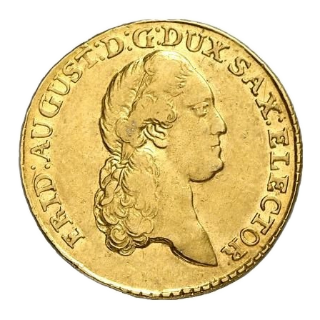 Obverse
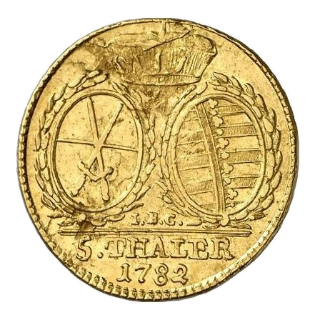 Reverse
Design Features
The obverse of the Saxony 5 thaler coin features the inscription "FRID AUGUST D G DUX SAX ELECTOR," honoring Frederick Augustus, the Duke of Saxony and Elector. The reverse displays the denomination "5 THALER" in a bold and clear font. The intricate detailing and elegant craftsmanship of the coin showcase the artistry of the minting process during that era.
Technical Specifications
Weighing 6.68 grams and composed of 90.3% gold, the Saxony 5 thaler coin exudes a sense of luxury and prestige. With a diameter and thickness that align with the standards of the time, this coin offers a tangible connection to the past and a glimpse into the economic landscape of 18th-century Saxony.
Collectible Value
The Saxony 5 thaler 1777-1785 gold coin holds immense collectible value among numismatists and collectors. Its rarity, historical significance, and exquisite design make it a coveted piece for those passionate about coin collecting. Due to its limited mintage and the passage of time, acquiring this coin can be a challenging yet rewarding endeavor.
Conclusion
In conclusion, the Saxony 5 thaler 1777-1785 gold coin encapsulates the splendor and sophistication of the Electorate of Saxony's numismatic legacy. Its historical importance, intricate design, and precious metal composition make it a prized addition to any coin collection. Understanding the value and significance of this coin enriches the appreciation for numismatics and the cultural heritage it represents.

ScanMyCoin: AI Coin Recognition
Professional AI coin recognition and collection management platform. Identify, learn, and track your coin collection with advanced AI technology and a vast.