
Saxony Saxony 3 pfennig, 1711-1733
Description:
3 pfennig Saxony 3 pfennig, 1711-1733 coin from Saxony. Design, history & value.
1. Introduction
The Saxony 3 pfennig coin minted between 1711 and 1733 holds a significant place in numismatic history. With its intricate design and historical importance, this silver coin is a prized possession for collectors worldwide.
2. Historical Background
During the period of 1711 to 1733, the Electorate of Saxony issued the 3 pfennig coin as part of its currency system. Saxony, located in modern-day Germany, was a prominent European power during this era, making its coinage highly sought after by collectors and historians alike.
3. Design Features
The obverse of the coin showcases the elaborate coat of arms of Saxony, often accompanied by symbolic crowns representing the region's royal heritage. On the reverse side, the numeral "3" is prominently displayed, denoting the coin's denomination.
4. Technical Specifications
This silver coin weighs approximately 0.98g and has a diameter of 16.00mm. The use of silver in its composition adds to its allure and collectible value among numismatists.
5. Collectible Value
Due to its historical significance and limited mintage period, the Saxony 3 pfennig coin is highly sought after by collectors. Its rarity level contributes to its market value, making it a prized addition to any coin collection.
6. Conclusion
In conclusion, the Saxony 3 pfennig silver coin from 1711 to 1733 stands as a testament to the rich numismatic heritage of Saxony. Its intricate design, historical importance, and collectible value make it a valuable asset for both seasoned collectors and enthusiasts exploring the world of coinage. By delving into the details of this coin, one can appreciate the craftsmanship and historical context that make it a cherished piece in the realm of numismatics.
Coin Images
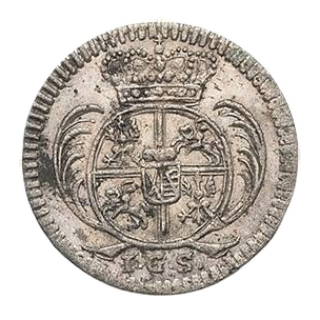 Obverse
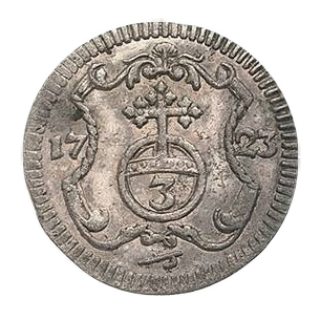 Reverse

ScanMyCoin: AI Coin Recognition
Professional AI coin recognition and collection management platform. Identify, learn, and track your coin collection with advanced AI technology and a vast.