

Saxony Saxony 1 thaler, 1854
Description:
1 thaler Saxony 1 thaler, 1854 coin from Saxony. Design, history & value.
Introduction
The Saxony 1 thaler coin minted in 1854 holds a special place in the numismatic history of the Kingdom of Saxony. This silver coin not only serves as a testament to the region's rich heritage but also stands out as a prized collectible for enthusiasts worldwide.
Historical Background
Issued by the authority of Saxony in 1854, this 1 thaler coin was part of a series minted during the Kingdom of Saxony era (1806 - 1873). Saxony, known for its intricate coinage designs, used the thaler denomination widely in its monetary system, reflecting the economic importance of the region during that period.
Coin Images
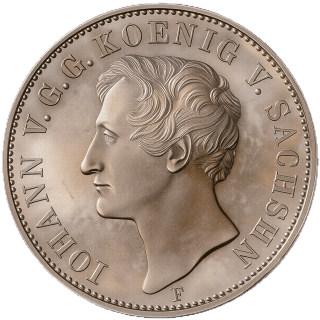 Obverse
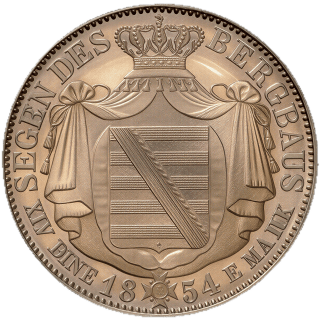 Reverse
Design Features
The obverse of the coin features the inscription "IOHANN V.G.G.KOENIG V. SACHSEN," portraying a regal profile of King Johann of Saxony. The reverse showcases the depiction of "SEGEN DES BERGBAUS" (Blessings of Mining) along with the denomination "XIV EINE F. MARK," symbolizing the mining prosperity and economic significance of the region.
Technical Specifications
This silver thaler weighs 22.27g with a diameter of 34.00mm, containing 75% pure silver. The coin's size and weight reflect the standard specifications of thaler coins minted during that era, ensuring its authenticity and historical accuracy.
Collectible Value
The Saxony 1 thaler from 1854 holds significant collectible value due to its rarity and historical importance. Numismatists and collectors highly covet this coin for its intricate design, connection to Saxony's mining heritage, and limited availability in the market. Its market value continues to appreciate, making it a prized addition to any numismatic collection.
Conclusion
In conclusion, the Saxony 1 thaler 1854 silver coin represents a remarkable piece of Kingdom of Saxony numismatic history. Its exquisite design, historical significance, and collectible value make it a must-have for coin enthusiasts seeking to own a piece of Saxony's rich heritage. Acquiring this coin not only adds a touch of royal elegance to a collection but also preserves a tangible link to Saxony's illustrious past.

ScanMyCoin: AI Coin Recognition
Professional AI coin recognition and collection management platform. Identify, learn, and track your coin collection with advanced AI technology and a vast.