

Saxony Saxony 1 thaler, 1734-1756
Description:
1 thaler Saxony 1 thaler, 1734-1756 coin from Saxony. Design, history & value.
Introduction
The Saxony 1 thaler coin minted between 1734 and 1756 stands as a testament to the rich numismatic history of the Electorate of Saxony. This silver coin holds not only monetary value but also historical significance and aesthetic appeal, making it a prized possession for collectors and enthusiasts alike.
Historical Background
Issued by Saxony, a prominent state in the Holy Roman Empire during the 18th century, this 1 thaler coin played a crucial role in the region's economic landscape. The reign of Augustus III of Poland, who was also Frederick Augustus II, Duke of Saxony, marked a period of prosperity and cultural advancement, reflected in the coinage of the era.
Coin Images
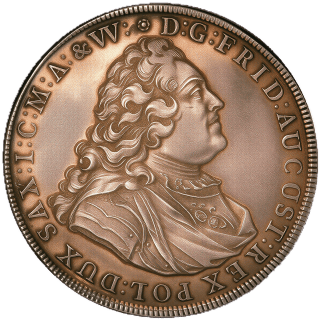 Obverse
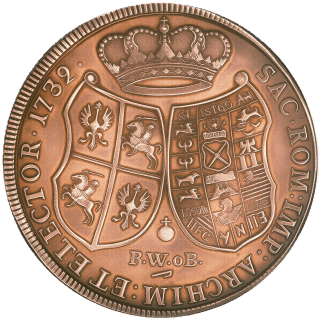 Reverse
Design Features
The obverse of the Saxony 1 thaler coin features the Latin inscription "D G FRID AUGUST REX POL DUX SAX I C M A & W," highlighting the titles of Frederick Augustus II. On the reverse side, the coin showcases the inscription "SAC ROM IMP ARCHIM ET ELECTOR," signifying his roles as a Holy Roman Emperor and Elector.
Technical Specifications
This silver coin weighs 28.80 grams with a diameter of 46.00mm, adhering to a composition of 50% silver. The intricate engravings on both sides of the coin exhibit fine craftsmanship and attention to detail, embodying the artistry of the minting process during that period.
Collectible Value
The Saxony 1 thaler coin from 1734-1756 holds not just numismatic value but also historical and cultural significance. Due to its limited mintage and historical importance, this coin is highly sought after by collectors. Its rarity and connection to the Electorate of Saxony make it a prized addition to any coin collection.
Conclusion
In conclusion, the Saxony 1 thaler silver coin minted between 1734 and 1756 encapsulates a fascinating period in the history of Saxony and the Holy Roman Empire. Its intricate design, historical context, and collectible value make it a cherished piece for numismatists and history enthusiasts alike. Owning this coin is not just owning a piece of silver but a tangible link to a bygone era of wealth, power, and cultural refinement.

ScanMyCoin: AI Coin Recognition
Professional AI coin recognition and collection management platform. Identify, learn, and track your coin collection with advanced AI technology and a vast.