

Saxony Saxony 1 ducat, 1698-1733
Description:
1 ducat Saxony 1 ducat, 1698-1733 coin from Saxony. Design, history & value.
1. Introduction
The Saxony 1 ducat gold coin minted between 1698 and 1733 during the reign of the Electorate of Saxony holds a significant place in numismatic history. Known for its beauty and historical importance, this coin attracts both collectors and enthusiasts of European coinage.
2. Historical Background
The Electorate of Saxony, a key state within the Holy Roman Empire, issued the 1 ducat coin as a symbol of its economic and political power. These coins circulated widely in trade and were a reflection of Saxony's prominence during the late 17th and early 18th centuries.
3. Design Features
The obverse of the Saxony 1 ducat coin features the inscription "D G FRID AUG REX POL DUX SAX I C M A & W," representing the Latin titles of the ruling monarch. The reverse displays "SAC ROM IMP ARCHIM ET ELECT," highlighting the connection of Saxony to the Holy Roman Empire.
4. Technical Specifications
This gold coin weighs 3.50g and has a diameter of 22.00mm. With a gold purity of 0.986, the Saxony 1 ducat is a testament to the quality and craftsmanship of the minting process during that era.
5. Collectible Value
Due to its historical significance and limited mintage period, the Saxony 1 ducat gold coin is highly sought after by collectors. Its market value reflects both the scarcity of this coin and the desirability of owning a piece of Saxony's numismatic heritage.
6. Conclusion
In conclusion, the Saxony 1 ducat gold coin from 1698-1733 represents a fascinating chapter in the history of Saxony and the Holy Roman Empire. Its intricate design, historical context, and collectible value make it a prized possession for numismatists and a valuable piece of European coinage history. By exploring the details of this coin, collectors and enthusiasts can gain a deeper appreciation for the artistry and significance of the Saxony 1 ducat within the numismatic world.
Coin Images
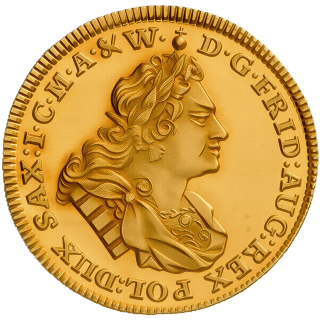 Obverse
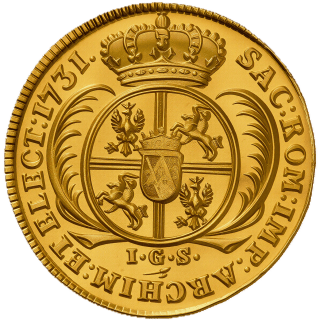 Reverse

ScanMyCoin: AI Coin Recognition
Professional AI coin recognition and collection management platform. Identify, learn, and track your coin collection with advanced AI technology and a vast.