

Saxony Saxony 1 ducat, 1694
Description:
1 ducat Saxony 1 ducat, 1694 coin from Saxony. Design, history & value.
Introduction
The Saxony 1 ducat coin minted in 1694 stands as a testament to the opulence and grandeur of the Electorate of Saxony during the late 17th century. This exquisite gold coin not only serves as a tangible piece of history but also embodies the artistic and monetary traditions of the era.
Historical Background
Issued by the Electorate of Saxony between 1694 and 1763, the 1 ducat coin was a symbol of the region's economic prosperity and political influence. Saxony, a prominent German state, was known for its rich mineral resources, particularly gold and silver, which enabled the production of high-quality coins like the 1 ducat.
Coin Images
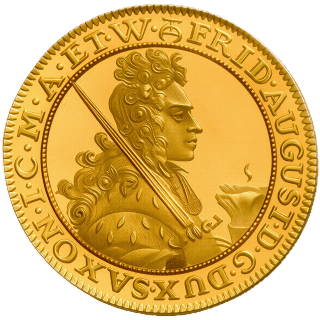 Obverse
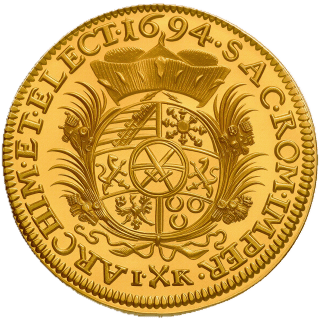 Reverse
Design Features
The obverse of the Saxony 1 ducat coin from 1694 features a captivating portrayal of the royal family, possibly the ruling monarch at that time, alongside intricate weaponry symbolic of power and authority. On the reverse side, the coin showcases the elaborate coat of arms of Saxony adorned with majestic crowns, emphasizing the dynasty's heritage and prestige.
Technical Specifications
This 1 ducat coin is crafted from 0.986 fine gold, weighing 3.50 grams and measuring 22.00mm in diameter. The precision in its composition and dimensions reflects the advanced minting techniques employed by the skilled craftsmen of the Electorate of Saxony.
Collectible Value
Due to its historical significance, intricate design, and limited mintage, the Saxony 1 ducat coin from 1694 holds a special place among numismatists and collectors. Its rarity and aesthetic appeal contribute to its high demand in the numismatic market, making it a prized possession for those passionate about coin collecting.
Conclusion
In conclusion, the Saxony 1 ducat coin minted in 1694 encapsulates the splendor and heritage of the Electorate of Saxony. With its exquisite design, historical significance, and precious metal content, this coin serves as a valuable addition to any numismatic collection, offering a glimpse into the rich cultural legacy of Saxony during the late 17th century.

ScanMyCoin: AI Coin Recognition
Professional AI coin recognition and collection management platform. Identify, learn, and track your coin collection with advanced AI technology and a vast.