

Saxe-Weimar-Eisenach Saxe-Weimar-Eisenach 3 pfennig, 1760-1762
Description:
3 pfennig Saxe-Weimar-Eisenach 3 pfennig, 1760-1762 coin from Saxe-Weimar-Eisenach. Design, history & value.
Introduction
The Saxe-Weimar-Eisenach 3 pfennig coin minted between 1760-1762 serves as a tangible link to the rich history of the Duchy of Saxe-Weimar-Eisenach. This copper coin encapsulates the economic and cultural landscape of the era, making it a prized collectible for numismatists and history enthusiasts alike.
Historical Background
Saxe-Weimar-Eisenach, a historical duchy located in present-day Germany, issued this 3 pfennig coin during the mid-18th century. The denomination of 3 pfennig was commonly used for everyday transactions, reflecting the economic activities of the region during that period. The coinage system of Saxe-Weimar-Eisenach played a crucial role in facilitating trade and commerce within the duchy and beyond.
Coin Images
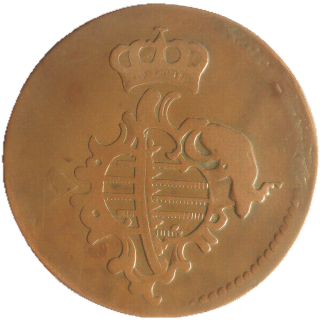 Obverse
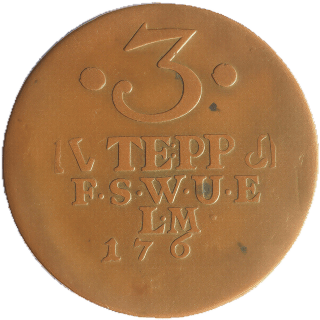 Reverse
Design Features
The obverse of the coin features the elaborate coat of arms of Saxe-Weimar-Eisenach, adorned with intricate details and crowned motifs symbolizing the ducal authority. On the reverse side, the inscriptions "3 GVTE PFEN / F S W U E / L M" are prominently displayed, indicating the face value and the issuing authority of the coin.
Technical Specifications
- Composition: Copper
- Weight: 3.80g
- Diameter: 25.00mm
Collectible Value
The Saxe-Weimar-Eisenach 3 pfennig coin from 1760-1762 holds significant collectible value due to its historical relevance and limited mintage. As a piece of numismatic history, this coin appeals to both seasoned collectors and those exploring the world of coin collecting. Its rarity and connection to a specific time and place make it a desirable addition to any collection.
Conclusion
In conclusion, the Saxe-Weimar-Eisenach 3 pfennig coin of 1760-1762 stands as a testament to the economic and cultural heritage of the Duchy of Saxe-Weimar-Eisenach. Its intricate design, historical significance, and collectible value make it a prized possession for those passionate about numismatics and European history. Owning this coin not only adds depth to a collection but also serves as a tangible piece of the past, transporting collectors to a bygone era of commerce and craftsmanship.

ScanMyCoin: AI Coin Recognition
Professional AI coin recognition and collection management platform. Identify, learn, and track your coin collection with advanced AI technology and a vast.