Saxe-Weimar-Eisenach Saxe-Weimar-Eisenach 2 pfennig, 1750-1752
Description:
2 pfennig Saxe-Weimar-Eisenach 2 pfennig, 1750-1752 coin from Saxe-Weimar-Eisenach. Design, history & value.
1. Introduction
The Saxe-Weimar-Eisenach 2 pfennig coin minted between 1750 and 1752 is a fascinating piece of numismatic history. As a relic from the Duchy of Saxe-Weimar-Eisenach, this copper coin carries with it a rich historical legacy and unique design elements that make it highly sought after by collectors worldwide.
2. Historical Background
During the mid-18th century, the Duchy of Saxe-Weimar-Eisenach, located in present-day Germany, issued a series of coins to facilitate trade and commerce within its territories. The 2 pfennig denomination was a common type used for everyday transactions, reflecting the economic landscape of the time. These coins provide a glimpse into the fiscal policies and monetary system of the duchy during this period.
3. Design Features
The obverse of the coin features the initials "FJDS," representing the issuing authority or mintmaster. On the reverse, the inscription "F S WEIMAR O V / II PFENNIG / LAND MUNZE" denotes the denomination and mint location. The design is simple yet elegant, reflecting the artistic style of the era and the administrative structure of the duchy.
4. Technical Specifications
- Composition: Copper
- Weight: 4.20g
- Diameter: 23.00mm
5. Collectible Value
The Saxe-Weimar-Eisenach 2 pfennig coin from 1750-1752 holds significant value for collectors due to its historical context and scarcity. Its copper composition and well-preserved condition contribute to its desirability among numismatists. Depending on the coin's condition and rarity, its market value can vary, making it a prized addition to any coin collection focused on German states coinage.
6. Conclusion
In conclusion, the Saxe-Weimar-Eisenach 2 pfennig copper coin from 1750-1752 is a testament to the numismatic heritage of the Duchy of Saxe-Weimar-Eisenach. Its historical significance, coupled with its distinctive design features and collectible value, make it a valuable piece for both seasoned collectors and enthusiasts alike. Owning this coin not only adds diversity to a collection but also serves as a link to a bygone era of European coinage history. By delving into the intricacies of this coin, collectors can appreciate the craftsmanship and historical context that make it a true treasure in the world of numismatics.
Coin Images
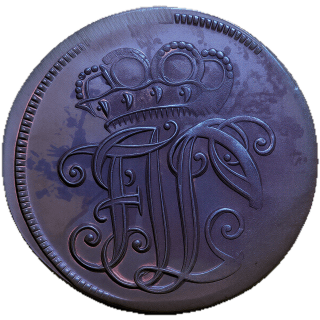 Obverse
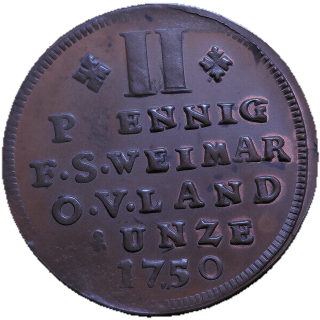 Reverse

ScanMyCoin: AI Coin Recognition
Professional AI coin recognition and collection management platform. Identify, learn, and track your coin collection with advanced AI technology and a vast.