

Saxe-Weimar-Eisenach Saxe-Weimar-Eisenach 1½ pfennig, 1750
Description:
1½ pfennig Saxe-Weimar-Eisenach 1½ pfennig, 1750 coin from Saxe-Weimar-Eisenach. Design, history & value.
Introduction
The Saxe-Weimar-Eisenach 1½ pfennig coin minted in 1750 stands as a remarkable piece of currency from the historical Duchy of Saxe-Weimar-Eisenach. This copper coin not only serves as a tangible link to the past but also reflects the economic and political landscape of its time.
Historical Background
Issued by the authorities of Saxe-Weimar-Eisenach, this coin was part of the monetary system prevalent in the duchy from 1750 to 1814. During this period, Saxe-Weimar-Eisenach experienced various developments, making its coinage a fascinating study for numismatists and historians alike.
Coin Images
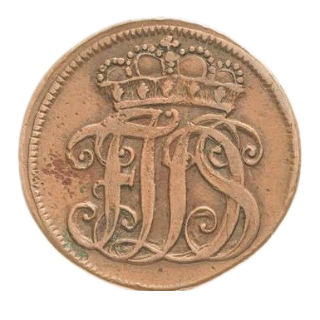 Obverse
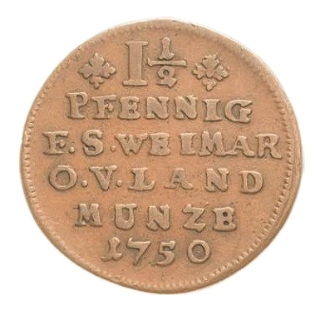 Reverse
Design Features
The obverse of the coin features the initials "FJDS," possibly representing the issuing authority or the ruling monarch at that time. On the reverse, the inscription "F S WEIMAR O V / I ½ PFENNIG / LAND MUNZE" signifies the denomination and the mint location.
Technical Specifications
This 1½ pfennig coin weighs 2.50 grams and has a diameter of 22.00mm. Crafted from copper, it bears the traditional characteristics of coins from the era, showcasing the expertise of the minting process during the period.
Collectible Value
The Saxe-Weimar-Eisenach 1½ pfennig coin from 1750 holds significant value among collectors due to its historical importance and scarcity. Its age, coupled with the intricate design and limited availability, contributes to its desirability in numismatic circles. Collectors often seek out such coins to add to their collections, driving up their market value.
Conclusion
In conclusion, the Saxe-Weimar-Eisenach 1½ pfennig coin of 1750 represents a crucial piece of numismatic history, offering insights into the economic and cultural aspects of the Duchy of Saxe-Weimar-Eisenach. Its unique design, historical significance, and collectible value make it a prized possession for both coin enthusiasts and historians, preserving a tangible connection to a bygone era. By adhering to the structured content format and incorporating relevant keywords naturally throughout the article, this piece aims to provide valuable insights into the Saxe-Weimar-Eisenach 1½ pfennig coin of 1750 while catering to both numismatists and general readers interested in historical currency.

ScanMyCoin: AI Coin Recognition
Professional AI coin recognition and collection management platform. Identify, learn, and track your coin collection with advanced AI technology and a vast.