

Saxe-Weimar-Eisenach Saxe-Weimar-Eisenach 1 heller, 1794
Description:
1 heller Saxe-Weimar-Eisenach 1 heller, 1794 coin from Saxe-Weimar-Eisenach. Design, history & value.
Introduction
The Saxe-Weimar-Eisenach 1 heller coin from 1794 holds a special place in numismatic history due to its association with the Duchy of Saxe-Weimar-Eisenach, a significant German state during the late 18th century. This copper coin not only serves as a tangible piece of history but also showcases the artistic and technical prowess of that era.
Historical Background
The Duchy of Saxe-Weimar-Eisenach, located in present-day Germany, was a prominent state that existed from 1750 to 1814. During this period, the duchy issued various coins to facilitate trade and commerce. The 1 heller coin was part of the monetary system used in daily transactions, reflecting the economic landscape of the time.
Coin Images
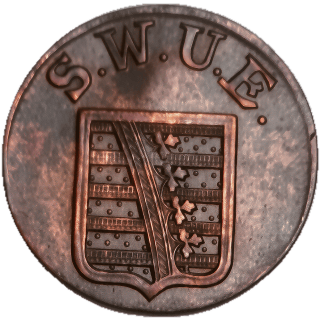 Obverse
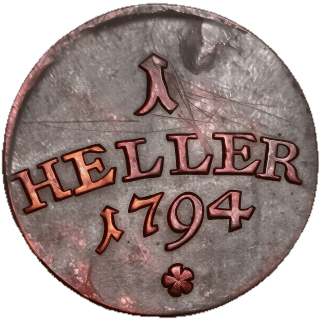 Reverse
Design Features
The obverse of the coin features the initials "S W U E" representing Saxe-Weimar-Ulm-Eisenach, the constituent parts of the duchy. The reverse displays the denomination "1 HELLER" in a clear and prominent manner. These inscriptions are surrounded by intricate patterns that add to the coin's visual appeal.
Technical Specifications
This 1 heller coin weighs 1.00g and has a diameter of 16.00mm, making it a small yet significant piece in the numismatic world. Crafted from copper, the coin's composition speaks to the materials available and the minting techniques of the time.
Collectible Value
Due to its historical significance and limited mintage, the Saxe-Weimar-Eisenach 1 heller 1794 coin is highly sought after by collectors. Its rarity and connection to a specific period in German history contribute to its value in numismatic circles. Collectors often prize this coin for its unique design and link to a bygone era.
Conclusion
In conclusion, the Saxe-Weimar-Eisenach 1 heller coin of 1794 stands as a testament to the rich history of the Duchy of Saxe-Weimar-Eisenach and the craftsmanship of coin minting during that time. This coin not only holds monetary value but also serves as a window into the past, allowing collectors and enthusiasts to appreciate the artistry and historical context it embodies.

ScanMyCoin: AI Coin Recognition
Professional AI coin recognition and collection management platform. Identify, learn, and track your coin collection with advanced AI technology and a vast.