

Saxe-Meiningen Saxe-Meiningen ½ gulden, 1854
Description:
½ gulden Saxe-Meiningen ½ gulden, 1854 coin from Saxe-Meiningen. Design, history & value.
1. Introduction
The Saxe-Meiningen ½ gulden 1854 silver coin holds a special place in numismatic history due to its rarity and intriguing design elements. Issued in the Duchy of Saxe-Meiningen in 1854, this coin provides a glimpse into the past and offers collectors a unique piece of history to treasure.
2. Historical Background
The Duchy of Saxe-Meiningen, located in present-day Germany, issued its own coinage during the 18th and 19th centuries. The ½ gulden denomination was commonly used in commerce during this period, and it symbolized a significant portion of wealth for the time. The 1854 coin reflects the economic and political landscape of Saxe-Meiningen during the mid-19th century.
3. Design Features
The obverse of the coin features the inscription "BERNHARD HERZOG ZU SACHSEN MEININGEN," identifying Bernhard II, the Duke of Saxe-Meiningen at that time. The reverse displays the denomination "1/2 GULDEN" along with the year 1854. The simplicity and elegance of the design highlight the coin's utilitarian purpose while also showcasing the artistic craftsmanship of the era.
4. Technical Specifications
- Country/Issuer: Saxe-Meiningen
- Denomination: ½ gulden
- Composition: Silver 0.900
- Weight: 5.30g
- Obverse Design: BERNHARD HERZOG ZU SACHSEN MEININGEN
- Reverse Design: 1/2 GULDEN / 1854
5. Collectible Value
The Saxe-Meiningen ½ gulden 1854 coin is highly sought after by collectors due to its historical significance and limited mintage. Its silver composition adds to its appeal, especially for those interested in precious metal coins. The market value of this coin can vary based on its condition and rarity, making it a valuable addition to any numismatic collection.
6. Conclusion
In conclusion, the Saxe-Meiningen ½ gulden 1854 silver coin represents a fascinating piece of history from a bygone era. Its historical significance, coupled with its intricate design and collectible value, make it a prized possession for both seasoned collectors and enthusiasts alike. Owning this coin not only provides a tangible connection to the past but also serves as a testament to the artistry and craftsmanship of numismatics in the 19th century.
Coin Images
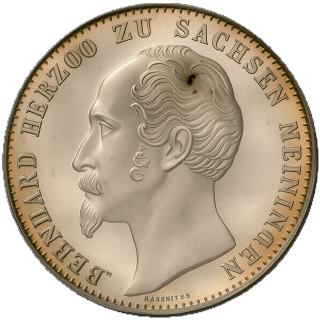 Obverse
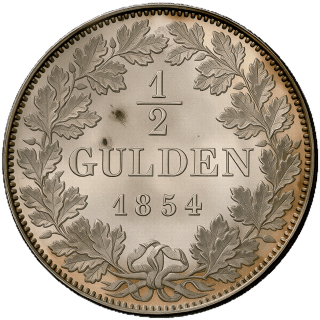 Reverse

ScanMyCoin: AI Coin Recognition
Professional AI coin recognition and collection management platform. Identify, learn, and track your coin collection with advanced AI technology and a vast.