

Saxe-Meiningen Saxe-Meiningen 2 pfennig, 1860-1866
Description:
2 pfennig Saxe-Meiningen 2 pfennig, 1860-1866 coin from Saxe-Meiningen. Design, history & value.
Introduction
The Saxe-Meiningen 2 Pfennig copper coin minted between 1860 and 1866 holds a special place in the numismatic history of the Duchy of Saxe-Meiningen. This coin not only serves as a testament to the region's economic activity during the mid-19th century but also showcases the artistry and craftsmanship of that era.
Historical Background
Saxe-Meiningen, a small German state, issued its own coinage during the 19th century. The 2 Pfennig coin was part of this coinage system and was used in everyday transactions. The period between 1860 and 1866 was marked by significant political and social changes, and these coins provide a tangible link to that turbulent time.
Coin Images
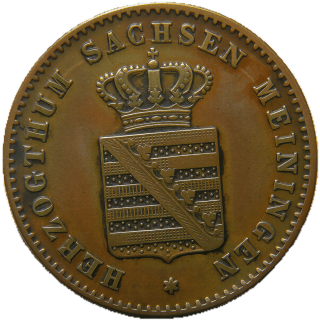 Obverse
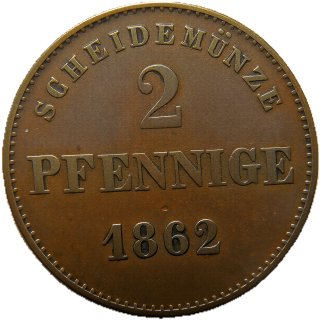 Reverse
Design Features
The obverse of the coin features the inscription "HERZOGTHUM SACHSEN MEININGEN," denoting the Duchy of Saxe-Meiningen. This side typically showcases a coat of arms or other regional symbols. On the reverse, the coin displays the denomination "2 PFENNIGE" along with the word "SCHEIDEMÜNZE," indicating its value and purpose as a circulating coin.
Technical Specifications
This 2 Pfennig coin weighs 2.39 grams and has a diameter of 20.00mm. Crafted from copper, it reflects the common material used for small denominations during that period. The coin's modest size and weight make it convenient for handling in everyday transactions.
Collectible Value
For coin collectors and enthusiasts, the Saxe-Meiningen 2 Pfennig coin is a prized addition to any collection. Its historical significance, coupled with its intricate design and limited mintage period, adds to its collectible value. Due to its age and relative scarcity, this coin may hold both numismatic and historical worth.
Conclusion
In conclusion, the Saxe-Meiningen 2 Pfennig copper coin from 1860-1866 stands as a remarkable artifact from a bygone era. Its historical context, coupled with its aesthetic appeal, makes it a sought-after piece among numismatists and collectors alike. Owning such a coin not only enriches a collection but also provides a tangible connection to the fascinating history of the Duchy of Saxe-Meiningen.

ScanMyCoin: AI Coin Recognition
Professional AI coin recognition and collection management platform. Identify, learn, and track your coin collection with advanced AI technology and a vast.