

Saxe-Meiningen Saxe-Meiningen 1 kreuzer, 1765
Description:
1 kreuzer Saxe-Meiningen 1 kreuzer, 1765 coin from Saxe-Meiningen. Design, history & value.
Introduction
The Saxe-Meiningen 1 kreuzer (1765) coin holds a special place in numismatic history as a fascinating piece from the Duchy of Saxe-Meiningen. This silver beauty not only reflects the monetary system of its time but also stands as a testament to the artistry and craftsmanship prevalent during the 18th century.
Historical Background
Issued by the authority of Saxe-Meiningen in 1765, this coin belonged to the period when the Duchy of Saxe-Meiningen was in existence from 1680 to 1769. The kreuzer denomination was widely used across various German states during this era, emphasizing its importance in trade and commerce.
Coin Images
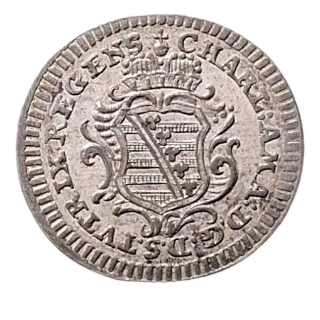 Obverse
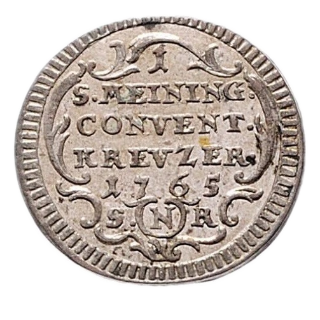 Reverse
Design Features
The obverse of the coin features the inscription "CHARL AMA D G D S TVTRIX REGENS," showcasing the ruling authority of the Duchess Charlotte Amalie of Saxe-Meiningen. On the reverse, the design displays "1 S MEINING CONVENT KREVZER," denoting the face value of the coin within the Saxe-Meiningen territory.
Technical Specifications
This 1 kreuzer coin has a weight of 0.65g and a diameter of 16.00mm. Crafted from silver billon, a combination of silver and base metals, this coin exemplifies the coinage standards of the time, blending durability with intrinsic value.
Collectible Value
The Saxe-Meiningen 1 kreuzer 1765 silver coin holds significant collectible value among numismatists. Its historical relevance, coupled with its rarity, makes it a prized addition to any coin collection. Due to its limited mintage and unique design, this coin is highly sought after by collectors, often commanding a premium in the numismatic market.
Conclusion
In conclusion, the Saxe-Meiningen 1 kreuzer 1765 coin stands as a remarkable numismatic piece that encapsulates the history and artistry of the Duchy of Saxe-Meiningen. Its exquisite design, coupled with its historical significance and collectible value, makes it a must-have for coin enthusiasts and collectors alike. Owning this coin not only offers a glimpse into the past but also allows one to appreciate the beauty and craftsmanship of 18th-century coinage.

ScanMyCoin: AI Coin Recognition
Professional AI coin recognition and collection management platform. Identify, learn, and track your coin collection with advanced AI technology and a vast.