

Saxe-Coburg-Saalfeld Saxe-Coburg-Saalfeld 3 kreuzer, 1820-1826
Description:
3 kreuzer Saxe-Coburg-Saalfeld 3 kreuzer, 1820-1826 coin from Saxe-Coburg-Saalfeld. Design, history & value.
Introduction
The Saxe-Coburg-Saalfeld 3 kreuzer silver coin represents a fascinating piece of numismatic history from the Duchy of Saxe-Coburg-Saalfeld. Minted between 1820 and 1826, this coin carries both historical significance and aesthetic appeal, making it a prized collectible for numismatists worldwide.
Historical Background
The Duchy of Saxe-Coburg-Saalfeld, located in present-day Germany, issued this 3 kreuzer coin during the early 19th century. The ruling authority, also known as Saxe-Coburg-Saalfeld, minted these coins to facilitate trade and commerce within the region. The period of issuance coincided with a time of political and economic development in the duchy, adding to the coin's historical importance.
Coin Images
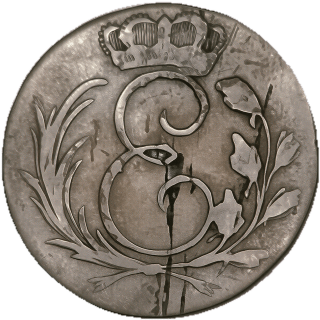 Obverse
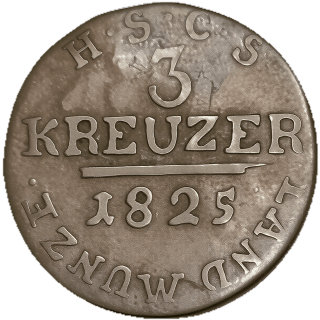 Reverse
Design Features
The obverse of the coin features a striking design denoting the issuing authority. The reverse side showcases the denomination "3 KREUZER" above the initials "H S C S" and the inscription "LAND MÜNZE," emphasizing the coin's official status as a regional currency.
Technical Specifications
- Denomination: 3 kreuzer
- Composition: Silver (0.243)
- Weight: 1.50g
- Diameter: 18.00mm
Collectible Value
Due to its limited mintage and historical significance, the Saxe-Coburg-Saalfeld 3 kreuzer silver coin holds considerable collectible value. Numismatists value this coin for its rarity, design intricacies, and connection to the Duchy of Saxe-Coburg-Saalfeld's past. Collectors seeking to enhance their numismatic collections often prize this coin for its unique attributes and historical context.
Conclusion
In conclusion, the Saxe-Coburg-Saalfeld 3 kreuzer silver coin stands as a testament to the numismatic heritage of the Duchy of Saxe-Coburg-Saalfeld. Its blend of historical significance, intricate design, and collectible value make it a sought-after piece among coin enthusiasts. Whether for historical exploration or collection expansion, this coin offers a valuable addition to any numismatist's portfolio. By following this structured approach, you can create a comprehensive and engaging article that caters to both coin collectors and general readers interested in the rich history of numismatics.

ScanMyCoin: AI Coin Recognition
Professional AI coin recognition and collection management platform. Identify, learn, and track your coin collection with advanced AI technology and a vast.