Samos Hekte
Description:
Hekte Hekte coin from Samos. Design, history & value.
Introduction
The Samos Hekte is more than just a coin; it is a tangible piece of ancient Greek history that encapsulates the artistry and economic prowess of the island of Samos. Known for its distinctive composition and striking design, the Hekte offers numismatists and history enthusiasts a glimpse into the ancient world. This coin, crafted from electrum—a natural alloy of gold and silver—stands out not only for its material value but also for its cultural significance during its time of circulation.
Historical Background
Samos, an influential city-state in ancient Greece, was a hub of commerce and culture. The island's strategic location in the Aegean Sea made it a vital trade center, leading to the need for a robust currency system. The Hekte, issued by the authority of Samos, reflects the economic dynamism and artistry of this era. These coins were likely minted during the late Archaic to early Classical periods, a time when Greek city-states were establishing their identities and expanding their influence. The Samos Hekte played a crucial role in facilitating trade and showcasing the wealth of its issuing authority.
Coin Images
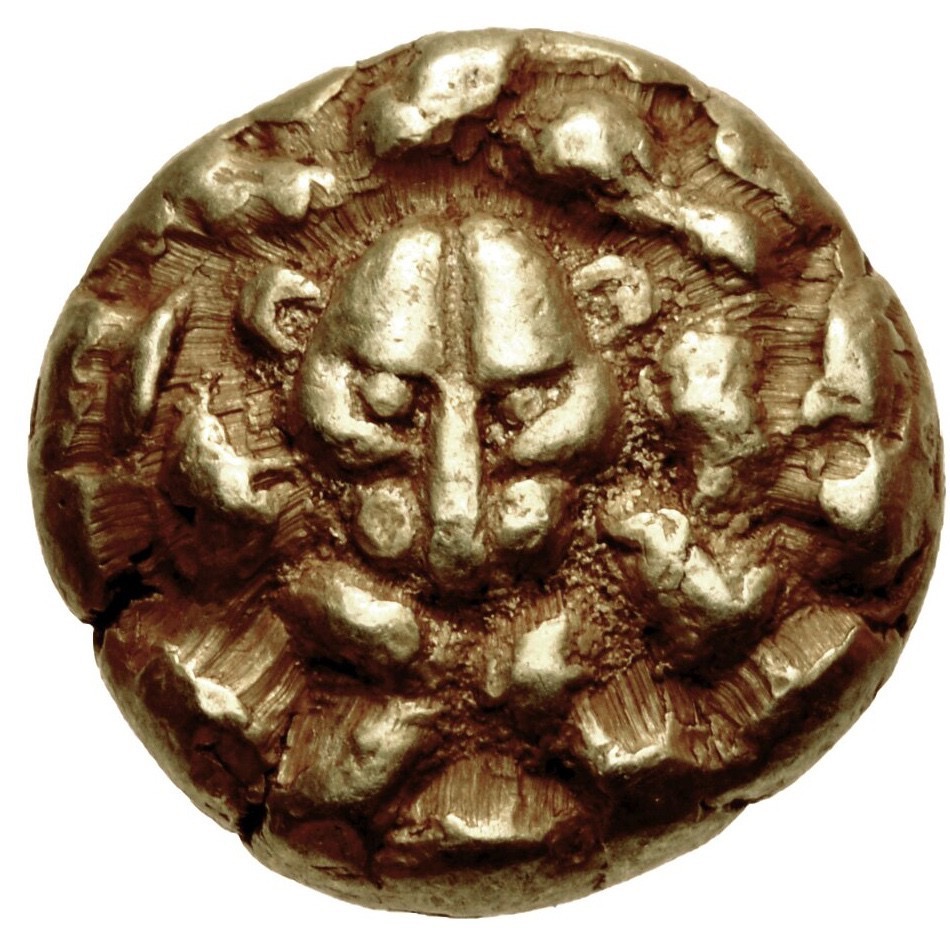 Obverse
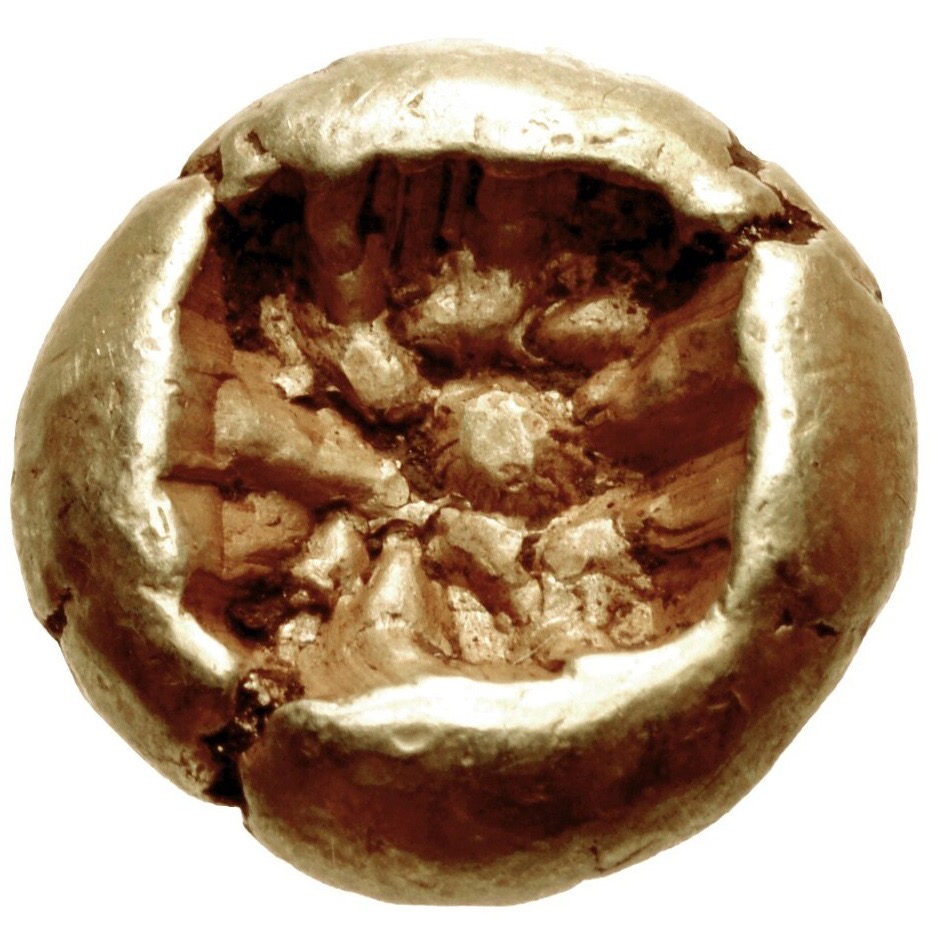 Reverse
Design Features
The design of the Samos Hekte is a testament to the skilled craftsmanship of ancient Greek minting.
- Obverse Design: The obverse features the head of a lioness or panther facing forward, surrounded by a field of rough marks. This imagery is not only a visual representation of power and majesty but also holds symbolic significance, possibly relating to the local mythology or representing protection and strength.
- Reverse Design: The reverse side is characterized by an incuse square with irregular markings. This design choice reflects the technological limitations of the time but also adds a layer of complexity and intrigue to the coin's aesthetics.
Technical Specifications
The Samos Hekte is notable for its specific technical attributes:
- Composition: Made from electrum, a natural blend of gold and silver, which was a popular material for coinage in ancient times due to its availability and intrinsic value.
- Weight: The coin weighs approximately 2.89 grams, a standard weight for the Hekte denomination, which was a sixth of a stater.
- Diameter: Measuring around 11.00mm, the Hekte is relatively small, yet its impact on the historical and numismatic communities is significant.
Collectible Value
The Samos Hekte is a prized possession among collectors due to its rarity and historical significance. The coin's unique composition and exquisite design make it a valuable addition to any collection focused on ancient currencies. Its market value can vary significantly based on condition, with well-preserved examples fetching higher prices at auctions. The rarity of the Hekte, combined with its historical context, enhances its desirability among collectors seeking to own a piece of ancient Greek history.
Conclusion
In conclusion, the Samos Hekte is not merely a relic of the past but a symbol of ancient Greek civilization's ingenuity and artistry. Its electrum composition and intricate design offer insights into the economic practices and cultural values of its time. For collectors and historians alike, the Samos Hekte provides an invaluable connection to the world of ancient Greece, representing both an investment in history and an appreciation for the art of coinage. As you explore the rich tapestry of ancient currency, the Samos Hekte stands out as a remarkable testament to the enduring legacy of Greek numismatics.

ScanMyCoin: AI Coin Recognition
Professional AI coin recognition and collection management platform. Identify, learn, and track your coin collection with advanced AI technology and a vast.