

Salzburg Salzburg 1 pfennig, 1775-1778
Description:
1 pfennig Salzburg 1 pfennig, 1775-1778 coin from Salzburg. Design, history & value.
Introduction
The Salzburg 1 Pfennig coin minted between 1775 and 1778 holds a special place in numismatic history due to its association with the Archbishopric of Salzburg. This copper coin not only represents a form of currency but also serves as a tangible link to the past, offering insights into the economic and cultural landscape of the Archbishopric during the late 18th century.
Historical Background
During the period of 1745 to 1803, the Archbishopric of Salzburg issued a variety of coins to facilitate trade and commerce within its territories. The 1 Pfennig denomination was a crucial part of everyday transactions, catering to the needs of the common people.
Coin Images
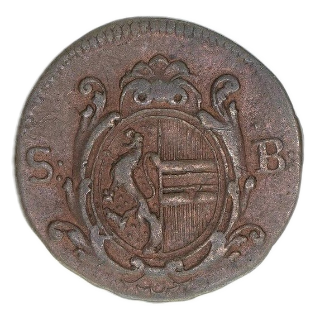 Obverse
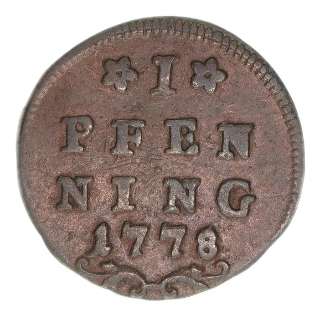 Reverse
Design Features
The obverse of the Salzburg 1 Pfennig coin features the initials "S B," representing the issuing authority of Salzburg. On the reverse side, the denomination "I PFENNING" is prominently displayed, indicating the coin's value. The simplicity and elegance of the design reflect the aesthetic preferences of the era.
Technical Specifications
This coin weighs 1.30 grams and has a diameter of 17.00mm, making it a lightweight and compact piece of currency. Crafted from copper, the coin's composition adds to its durability and distinct reddish-brown hue, characteristic of many coins from that period.
Collectible Value
The Salzburg 1 Pfennig coin is highly sought after by collectors due to its historical significance and scarcity. Its limited mintage and unique design elements contribute to its collectible value, making it a prized addition to any numismatist's collection. The market value of this coin can vary based on its condition and rarity, with well-preserved specimens fetching higher prices at auctions and sales.
Conclusion
In conclusion, the Salzburg 1 Pfennig coin from 1775 to 1778 encapsulates the essence of the Archbishopric of Salzburg's numismatic heritage. Its intricate designs, historical context, and collectible value make it a treasure trove for both seasoned collectors and enthusiasts alike. Owning a piece of history like this coin not only enriches one's collection but also serves as a tangible connection to a bygone era of monetary history.

ScanMyCoin: AI Coin Recognition
Professional AI coin recognition and collection management platform. Identify, learn, and track your coin collection with advanced AI technology and a vast.