

Rostock Rostock ½ pfennig, 1571-1623
Description:
½ pfennig Rostock ½ pfennig, 1571-1623 coin from Rostock. Design, history & value.
Introduction
The Rostock ½ pfennig coin, minted between 1571 and 1623, holds a significant place in the history of currency. Issued by the city of Rostock, this coin reflects the economic and cultural landscape of the era, making it a sought-after piece among numismatists and history enthusiasts alike.
Historical Background
The city of Rostock, located in northern Germany, was a prominent trading hub during the late medieval and early modern periods. As a key member of the Hanseatic League, Rostock played a crucial role in facilitating trade across the Baltic Sea. The issuance of the ½ pfennig coin served as a testament to the city's economic prosperity and autonomy during this time.
Coin Images
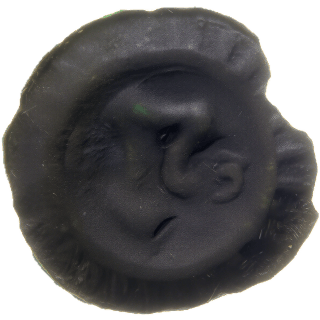 Obverse
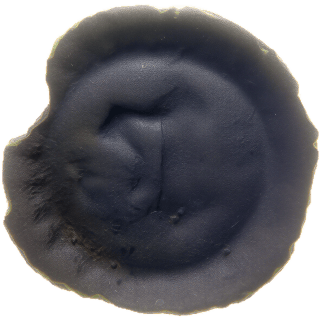 Reverse
Design Features
The obverse of the Rostock ½ pfennig coin features a mysterious legend, inviting collectors to delve deeper into its historical context. The reverse side also bears an enigmatic inscription, adding to the allure of this coin. The simplicity of the design is a nod to the practicality and functionality of currency in everyday transactions.
Technical Specifications
This copper coin measures [specify size] and weighs [specify weight], typical of small denominations circulating in urban centers of the 16th and 17th centuries. The composition of copper ensured durability, making these coins ideal for frequent use in local markets and trade exchanges.
Collectible Value
Due to its historical significance and limited mintage period, the Rostock ½ pfennig coin holds considerable collectible value. Numismatists value this coin for its connection to the vibrant mercantile history of Rostock and the Hanseatic League. Rarity adds to its appeal among collectors seeking unique pieces from this era.
Conclusion
In conclusion, the Rostock ½ pfennig copper coin stands as a tangible link to the bustling commercial activities of Rostock in the 16th and 17th centuries. Its modest design belies the rich history embedded within its metal, making it a prized possession for those passionate about numismatics and the legacy of city currency. By exploring the intricate details and historical context of the Rostock ½ pfennig coin, collectors and enthusiasts can deepen their appreciation for the cultural and economic dynamics of a bygone era.

ScanMyCoin: AI Coin Recognition
Professional AI coin recognition and collection management platform. Identify, learn, and track your coin collection with advanced AI technology and a vast.