

Roman Empire (27 BC - 395 AD) Aureus - Trajan (P M TR P COS VI P P S P Q R; Jupiter)
Description:
Aureus - Trajan (P M TR P COS VI P P S P Q R; Jupiter) coin from Roman Empire (27 BC - 395 AD). Design, history & value.
[SEO TITLE]: Discover the Roman Empire's Aureus - Trajan Gold Coin (114-117) [SEO DESCRIPTION]: Explore the Trajan Aureus Coin of the Roman Empire, 114-117 AD. [KEYWORDS]: Roman Empire coin, Trajan Aureus, gold coin, ancient coins, Roman numismatics
Introduction
The Aureus coin from the Trajan era, minted between 114 and 117 AD, is an exceptional piece of Roman numismatic history. This gold coin not only represents the Roman Empire's economic strength but also encapsulates the grandeur of Emperor Trajan's reign. As a treasured artifact among collectors and historians, the Aureus embodies both artistic finesse and historical significance.
Historical Background
The Roman Empire, spanning from 27 BC to 395 AD, was a beacon of power and prosperity. Under Emperor Trajan, known for his military conquests and infrastructural advancements, the empire reached its zenith. The minting of the Aureus during this period reflects the Empire's apex in terms of wealth and influence. This coin was more than currency; it was a testament to Trajan's leadership and the Empire's expansive reach. The period from 114 to 117 AD marked considerable expansion, including the conquest of Dacia, which propelled Rome into a golden age of prosperity.
Coin Images
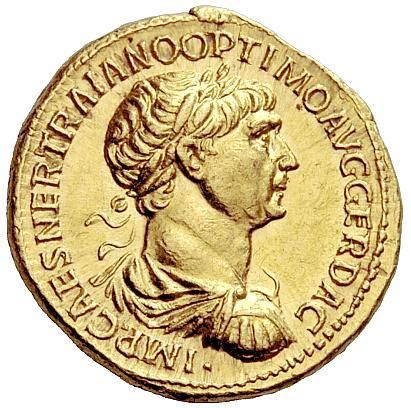 Obverse
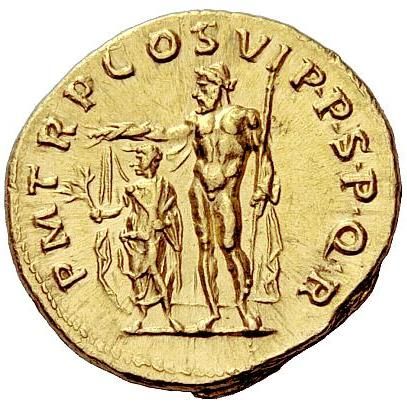 Reverse
Design Features
The Aureus coin's design is a celebration of Roman artistry and imperial iconography.
Obverse Design
The obverse of the coin features a detailed bust of Emperor Trajan. He is depicted laureate, draped, and cuirassed, facing right. This portrayal emphasizes Trajan's authority and divine sanction, a common theme in Roman imperial propaganda. The craftsmanship captures the emperor's regal demeanor, which was intended to inspire loyalty among Roman citizens and soldiers alike.
Reverse Design
On the reverse, the deity Jupiter is illustrated in a commanding pose. He stands naked, with a cloak elegantly draped over his arms, holding a thunderbolt over Trajan in his right hand and a straight sceptre in his left. Trajan is shown standing to the left, togate, holding up a branch in his right hand. This imagery signifies divine protection and favor, with Jupiter symbolizing power and Trajan receiving divine endorsement. Such iconography was crucial in reinforcing the emperor's legitimacy and the empire's divine right to rule.
Technical Specifications
The Aureus coin from the Trajan era is notable for its precise technical details:
- Composition: Gold
- Weight: Approximately 7.20 grams
- Diameter: 20.00 mm These specifications underscore the coin's value and durability. Gold, being a precious metal, was reserved for high-denomination coins like the Aureus, used in significant transactions and often held as a store of wealth.
Collectible Value
The Trajan Aureus is highly sought after by collectors and historians due to its historical provenance and exquisite craftsmanship. Its market value is influenced by factors such as condition, rarity, and historical context. Coins in excellent condition can fetch a premium at auctions, often reaching several thousand dollars. The rarity of the Aureus, compounded by its age and the limited number of surviving specimens, enhances its desirability among numismatists.
Conclusion
The Aureus of Trajan is more than a mere currency; it is a symbol of the Roman Empire's might and the emperor's legacy. Its historical significance and artistic merit make it a valuable addition to any collection. As a tangible connection to one of history's greatest empires, this coin continues to captivate the imagination of collectors and history enthusiasts alike. The Aureus is a testament to the enduring legacy of Roman numismatics and the grandeur of Trajan's empire.

ScanMyCoin: AI Coin Recognition
Professional AI coin recognition and collection management platform. Identify, learn, and track your coin collection with advanced AI technology and a vast.