

Roman Empire (27 BC - 395 AD) Aureus - Faustina the Younger (VENERI FELICI; Venus)
Description:
1 Aureus Aureus - Faustina the Younger (VENERI FELICI; Venus) coin from Roman Empire (27 BC - 395 AD). Design, history & value.
[SEO TITLE]: Roman Empire Aureus Coin - Faustina the Younger (Gold 1 Aureus) [SEO DESCRIPTION]: Discover the gold Aureus of Faustina the Younger from the Roman Empire. [KEYWORDS]: Roman Empire coin, Aureus Faustina the Younger, gold coin, ancient coins, Roman currency, numismatics, Faustina the Younger
Main Content
Introduction
The Aureus featuring Faustina the Younger is a remarkable piece of ancient history, not just a coin, but a reflection of the Roman Empire's grandeur and artistic mastery. Struck between 145 and 161 AD, this gold coin showcases the elegance and power of Rome during its zenith. As a numismatic treasure, it offers an intriguing glimpse into the past, capturing the likeness of one of the most influential women of her time, Faustina the Younger, and symbolizing the Empire's wealth and sophistication.
Historical Background
The Aureus was minted during a period of relative peace and prosperity known as the Pax Romana. Faustina the Younger, daughter of Emperor Antoninus Pius and wife to Emperor Marcus Aurelius, was a significant figure in Roman society. Her marriage to Marcus Aurelius solidified a powerful alliance, and she was revered for her beauty and her role in the imperial family. The issuance of coins bearing her image was not only a tribute to her status but also a tool of political propaganda, reinforcing the stability and continuity of the imperial lineage.
Coin Images
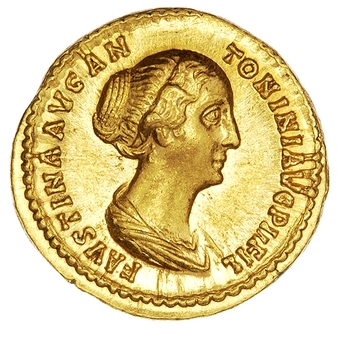 Obverse
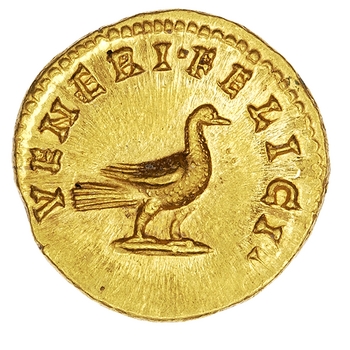 Reverse
Design Features
The Aureus of Faustina the Younger is a masterpiece of Roman numismatic art. The obverse of the coin features a finely detailed bust of Faustina the Younger, bare-headed, with her hair elegantly waved and coiled at the back of her head. Her draped attire adds to the regal depiction, emphasizing her noble stature. The reverse showcases a serene depiction of a dove facing right, a symbol often associated with Venus, the goddess of love and beauty, reflecting the coin's inscription "VENERI FELICI." This imagery not only highlights the divine connection of the imperial family but also symbolizes peace and prosperity.
Technical Specifications
This Aureus is meticulously crafted from gold, weighing 7.20 grams with a diameter of 19.00 mm. The coin's composition and craftsmanship exemplify the advanced metallurgical skills of Roman minting. Its size and weight were standard for the denomination, ensuring it was a reliable and widely accepted form of currency throughout the Empire.
Collectible Value
The Aureus of Faustina the Younger is highly sought after by collectors due to its historical significance and exquisite design. Its rarity, coupled with the enduring allure of Roman coins, makes it a prized addition to any numismatic collection. Market values can vary significantly based on the coin's condition, provenance, and specific variety, with well-preserved specimens fetching premiums at auctions. Owning such a coin is not only about possessing a piece of gold but holding a tangible link to the ancient world, a testament to Rome's enduring legacy.
Conclusion
In conclusion, the Aureus depicting Faustina the Younger is more than just an ancient coin; it is a symbol of the Roman Empire's power, artistry, and cultural sophistication. Its striking designs and historical context offer a unique opportunity for collectors and historians alike to explore the depths of Roman history. As an artifact, it continues to fascinate and inspire, preserving the legacy of one of Rome's most influential eras.

ScanMyCoin: AI Coin Recognition
Professional AI coin recognition and collection management platform. Identify, learn, and track your coin collection with advanced AI technology and a vast.