

Roman Empire (27 BC - 395 AD) Aureus - Claudius (S P Q R PP OB CS)
Description:
1 Aureus Aureus - Claudius (S P Q R PP OB CS) coin from Roman Empire (27 BC - 395 AD). Design, history & value.
Introduction
The Roman Empire Aureus featuring Emperor Claudius holds a prestigious place in the annals of numismatics. Struck between 49 and 50 AD, this gold coin represents a rich tapestry of history, artistry, and imperial power. Revered by collectors and historians alike, the Aureus is more than just a monetary instrument; it is a testament to the grandeur and intricacies of the Roman Empire.
Historical Background
The Aureus was minted during the reign of Claudius, who ruled from 41 to 54 AD. Claudius is often remembered for his administrative reforms and expansion of the Roman Empire. The issuance of this coin during his reign underscores the economic vitality and imperial propaganda of the period. Coins like the Aureus were not just currency but a medium to disseminate the emperor's image and reinforce his authority across the vast Roman territories.
Coin Images
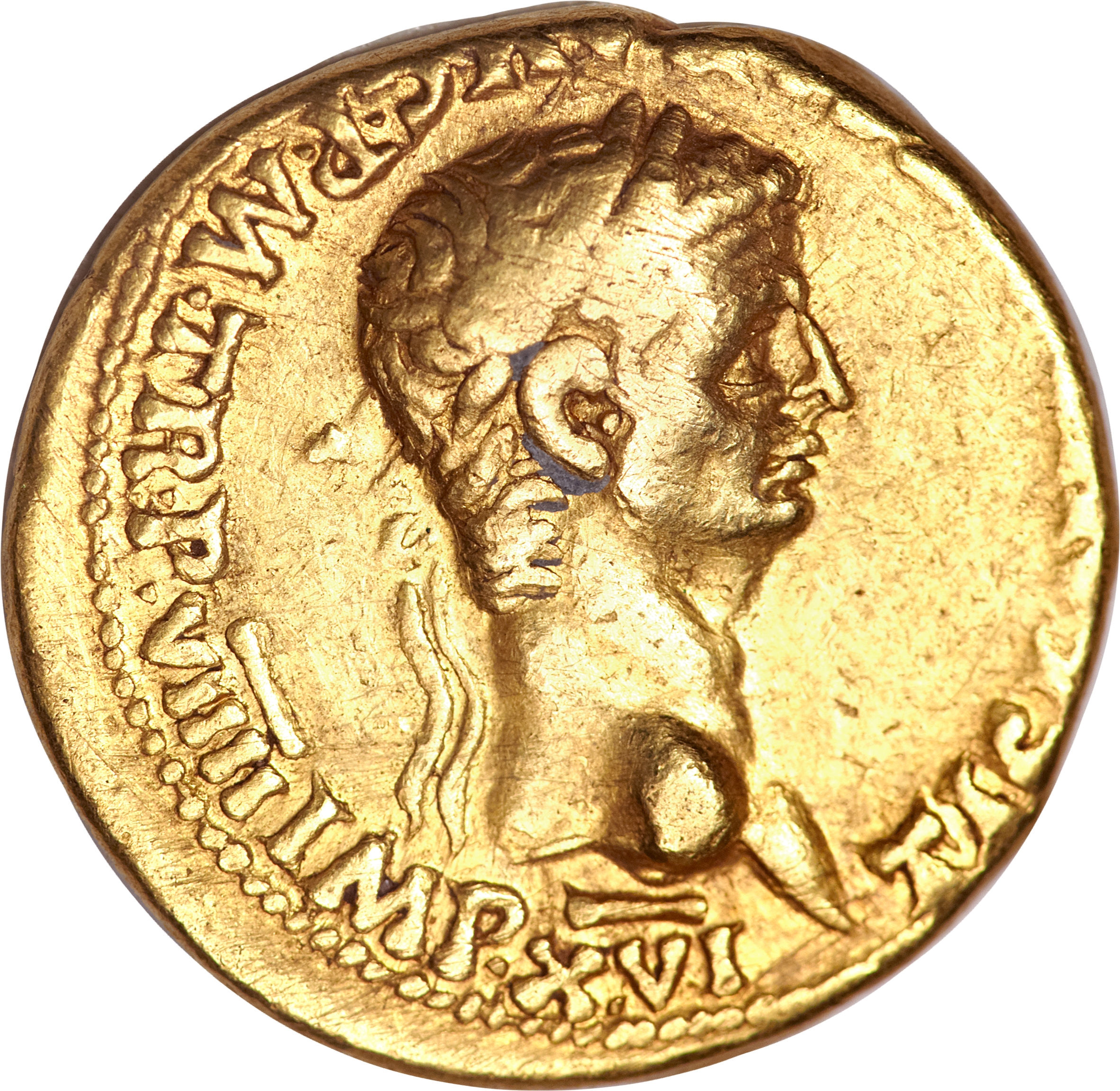 Obverse
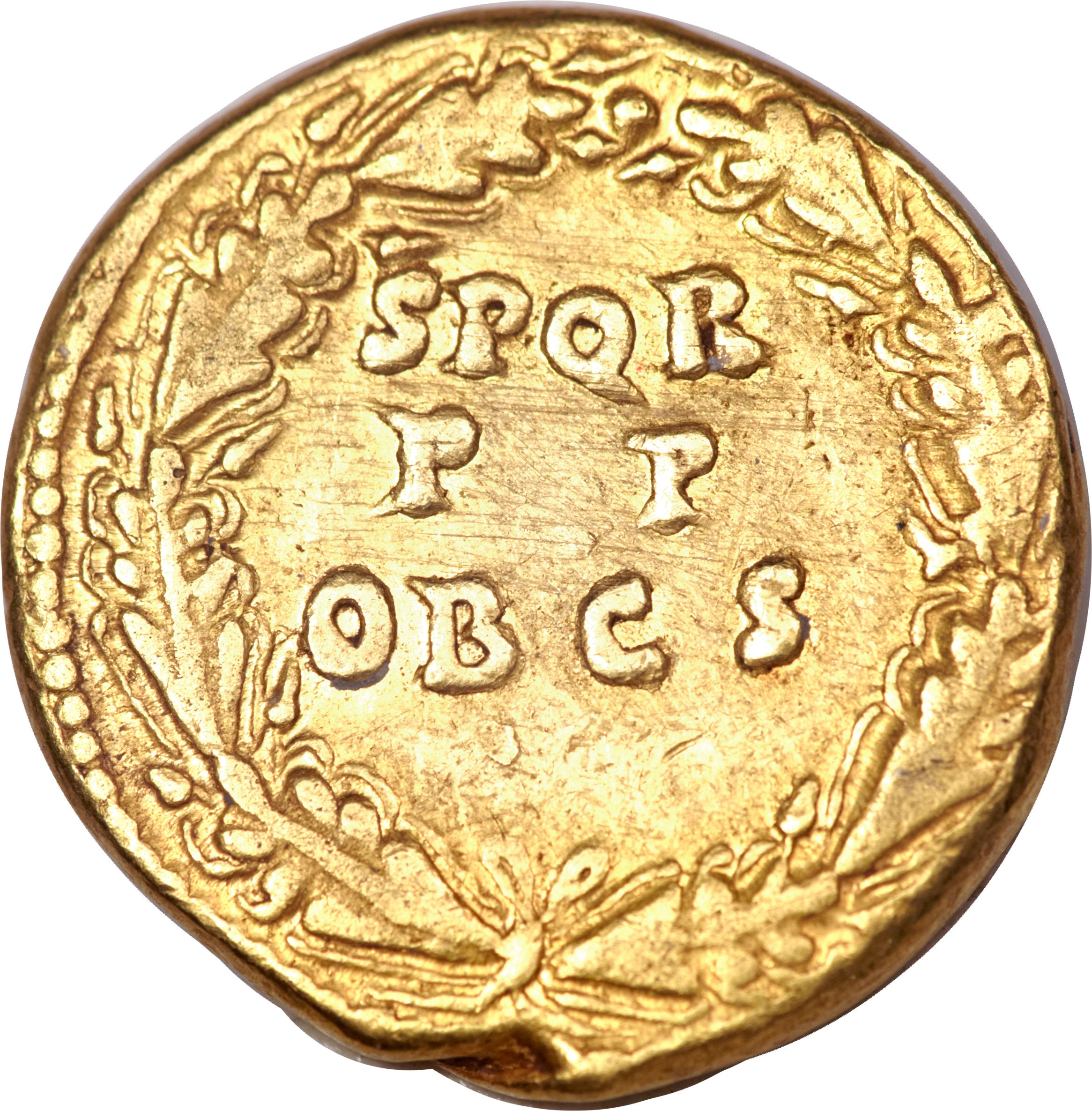 Reverse
Design Features
Obverse Design: The obverse of the Aureus features a striking portrait of Emperor Claudius. The head of Claudius is depicted laureate, facing right. This design choice underscores the emperor's divinity and victory, as the laurel wreath was a symbol of triumph. The intricate details of the portrait reflect the advanced artistry and craftsmanship of Roman minting techniques. Reverse Design: The reverse side is adorned with a legend in three lines, encapsulated within an oak-wreath. The inscription "S P Q R PP OB CS" stands for "Senatus Populusque Romanus Pater Patriae Ob Cives Servatos," translating to "The Senate and the People of Rome, Father of the Nation, for having saved the citizens." This message highlights Claudius's role as a protector and revered leader, further solidifying his legacy.
Technical Specifications
The Aureus of Claudius is a gold coin with a precise weight of 7.40 grams and a diameter of 19.00 millimeters. Its composition of pure gold not only attests to the wealth and resources of the Roman Empire but also contributes to the coin's enduring allure. The consistent weight and size reflect the Roman commitment to standardization and reliability in their currency system.
Collectible Value
The Aureus is a highly sought-after piece among collectors due to its historical significance, rarity, and exquisite craftsmanship. Its value is determined by several factors including condition, provenance, and market demand. While the monetary value can fluctuate, the numismatic value of the Aureus remains significant, often fetching high prices at auctions. As a rare artifact from the Roman Empire, it offers collectors a tangible connection to ancient history.
Conclusion
The Aureus featuring Claudius is more than just a coin; it is a symbol of the Roman Empire's power, culture, and legacy. Its artistic design, historical context, and technical precision make it a prized possession for numismatists and history enthusiasts. As a collector's item, the Aureus not only holds substantial monetary value but also provides an invaluable glimpse into the world of ancient Rome. Whether you are a seasoned collector or a curious historian, the Aureus of Claudius is a fascinating piece of ancient numismatic heritage that continues to captivate and inspire.

ScanMyCoin: AI Coin Recognition
Professional AI coin recognition and collection management platform. Identify, learn, and track your coin collection with advanced AI technology and a vast.