

Reuss-Greiz Reuss-Greiz ¹⁄₁₂ thaler, 1789
Description:
¹⁄₁₂ thaler Reuss-Greiz ¹⁄₁₂ thaler, 1789 coin from Reuss-Greiz. Design, history & value.
Introduction
The Reuss-Greiz ¹⁄₁₂ thaler from 1789 stands as a remarkable piece of numismatic history, hailing from the Principality of Reuss-Greiz. This silver coin, with its intricate designs and historical significance, captures the essence of a bygone era.
Historical Background
The Principality of Reuss-Greiz, a small German state, issued its own coinage during the late 18th century. The ¹⁄₁₂ thaler denomination was part of the monetary system in use at the time, reflecting the region's economic structure and trade relationships. Coins like the 1789 Reuss-Greiz ¹⁄₁₂ thaler served as important symbols of authority and wealth.
Coin Images
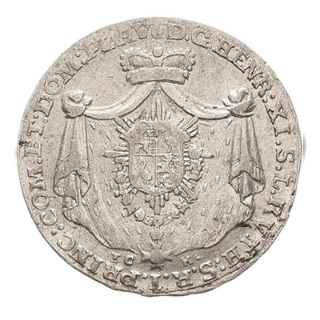 Obverse
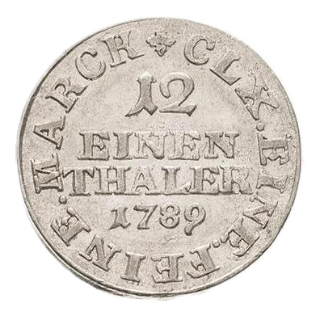 Reverse
Design Features
The obverse of the coin features the inscription "COM ET / D G HENR XI / DOM / ICK / PLAV / S L RVTH / S R I PRINC," surrounded by ornate patterns. On the reverse, the design reads "12 EINEN THALER / CLX EINE FEINE MARCK," denoting its denomination and fine silver content. These intricate engravings showcase the skill and artistry of the minting process during that period.
Technical Specifications
This 1789 Reuss-Greiz ¹⁄₁₂ thaler is composed of 0.438 silver, weighing 2.82 grams, with a diameter of 22.12mm. These specifications not only determine its physical attributes but also contribute to its overall value and rarity in the numismatic world.
Collectible Value
The Reuss-Greiz ¹⁄₁₂ thaler from 1789 holds significant collectible value among numismatists and coin enthusiasts. Its historical background, intricate designs, and limited mintage make it a sought-after piece for collectors. The rarity of this coin further enhances its market value, with prices varying based on condition and demand in the numismatic market.
Conclusion
In conclusion, the Reuss-Greiz ¹⁄₁₂ thaler from 1789 stands as a testament to the rich numismatic heritage of the Principality of Reuss-Greiz. Its intricate designs, historical significance, and limited availability make it a prized possession for collectors. Owning this coin not only offers a piece of history but also a glimpse into the artistry and craftsmanship of coin minting during the late 18th century.

ScanMyCoin: AI Coin Recognition
Professional AI coin recognition and collection management platform. Identify, learn, and track your coin collection with advanced AI technology and a vast.