

Reuss-Greiz Reuss-Greiz 1 pfennig, 1808-1816
Description:
1 pfennig Reuss-Greiz 1 pfennig, 1808-1816 coin from Reuss-Greiz. Design, history & value.
Introduction
The Reuss-Greiz 1 Pfennig coin minted between 1808 and 1816 holds a special place in numismatic history. As a copper coin issued by the Principality of Reuss-Greiz, it reflects a period of significant historical and cultural importance.
Historical Background
The Principality of Reuss-Greiz was a small German state that existed from 1778 to 1868. During this time, the region issued its own currency to facilitate trade and commerce. The 1 Pfennig coin was a crucial part of this monetary system, symbolizing the authority and sovereignty of Reuss-Greiz.
Coin Images
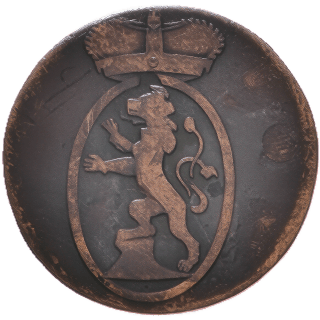 Obverse
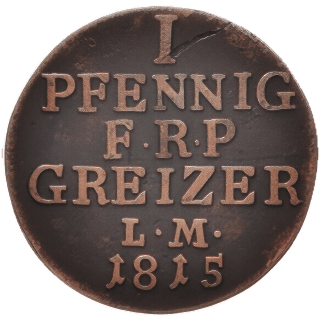 Reverse
Design Features
The obverse of the coin features the coat of arms of Reuss-Greiz, showcasing the heraldic symbols and crowns associated with the principality. On the reverse, the inscriptions "F R P," "GREIZER," "1 PFENNIG," and "L M" can be found, adding a touch of elegance to the overall design.
Technical Specifications
The Reuss-Greiz 1 Pfennig coin is relatively small in size, typical for coins of its denomination during that era. Made of copper, it carries a modest weight and diameter. The composition of copper gives the coin its distinctive reddish-brown hue, adding to its aesthetic appeal.
Collectible Value
As a coin with historical significance and limited mintage, the Reuss-Greiz 1 Pfennig from 1808-1816 holds considerable collectible value. Numismatists and collectors prize this coin for its rarity and connection to a bygone era. Its market value can vary based on factors such as condition, scarcity, and demand in the numismatic community.
Conclusion
In conclusion, the Reuss-Greiz 1 Pfennig copper coin from 1808-1816 is not just a piece of currency but a tangible link to the past. Its intricate design, historical context, and collectible value make it a prized possession for numismatists and history enthusiasts alike. Embrace the opportunity to own a piece of Reuss-Greiz's legacy through this remarkable coin.

ScanMyCoin: AI Coin Recognition
Professional AI coin recognition and collection management platform. Identify, learn, and track your coin collection with advanced AI technology and a vast.