
Qandahar, City of 1 Falus (Qandahar; Siege coinage)
Description:
1 Falus (Qandahar; Siege coinage) coin from Qandahar, City of. Design, history & value.
Introduction
The 1 Falus coin from Qandahar stands as a remarkable piece from a historic period of economic and military significance. Minted between 1680 and 1700, this siege coinage is an intriguing artifact for numismatists and historians alike. Its unique design and background offer a window into the tumultuous times in which it was created. This coin not only represents a form of currency but also a piece of history, marking a period of resilience and resourcefulness.
Historical Background
The city of Qandahar, during the late 17th century, was a pivotal region subject to sieges and conflicts. The issuance of the 1 Falus coin is directly linked to these historical events. Siege coinage often emerged during times of military blockade, when regular minting processes were disrupted. As resources became scarce, cities like Qandahar produced their own currency to sustain the local economy. The 1 Falus coin is a testament to Qandahar's ingenuity, serving as a functional currency amidst adversity and symbolizing the city's determination to maintain economic activity during prolonged sieges.
Coin Images
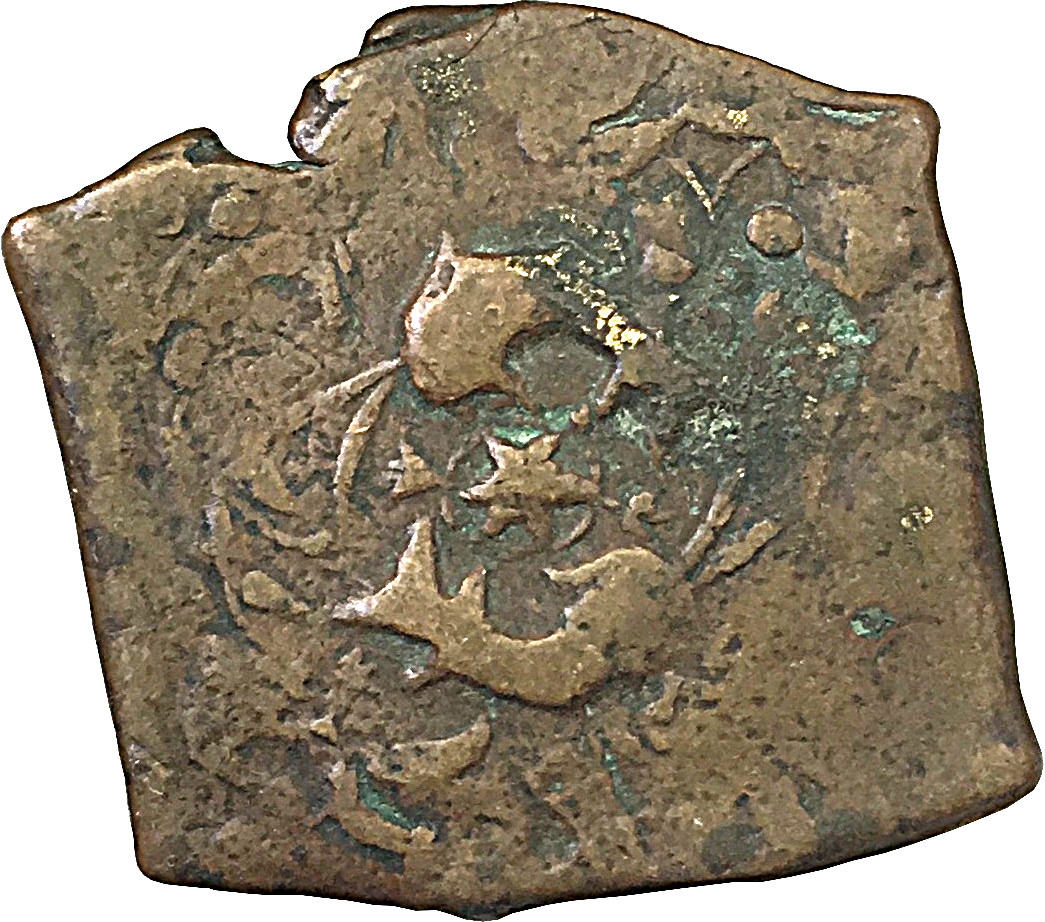 Obverse
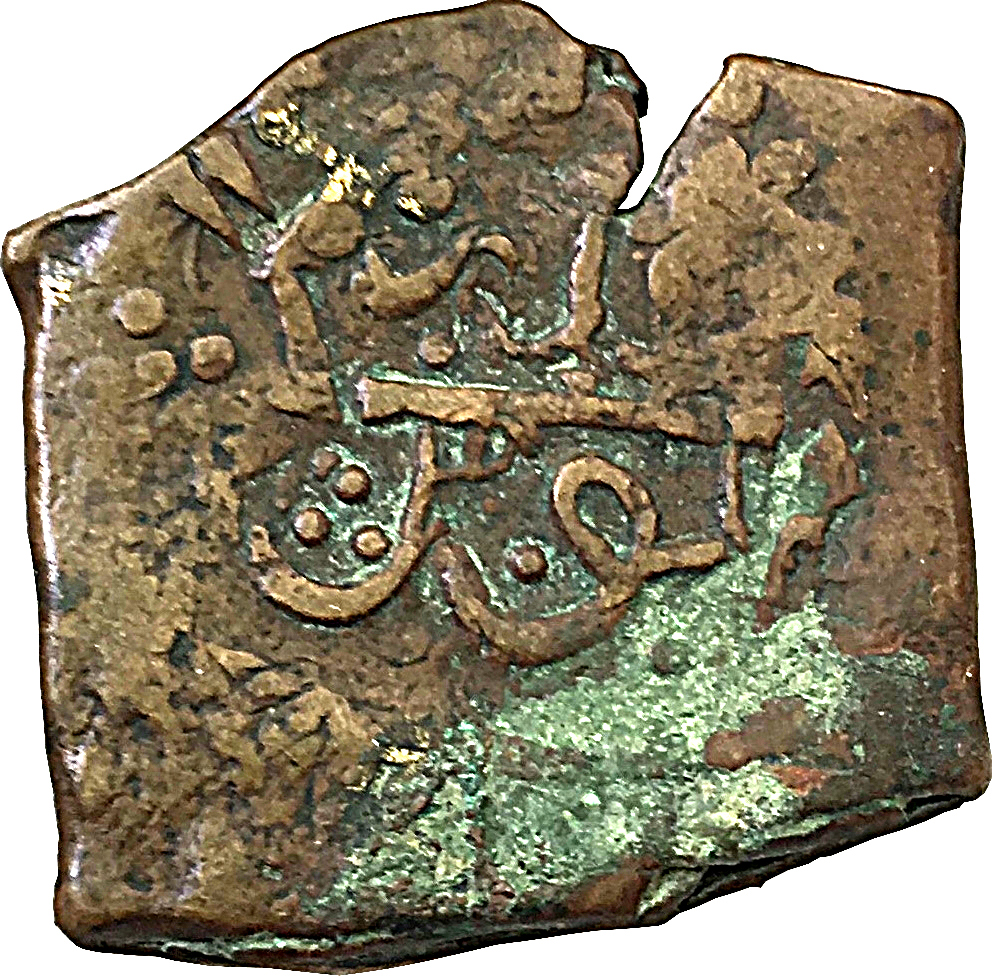 Reverse
Design Features
The 1 Falus coin is distinct in its artistic expression, most notably featuring the zodiac sign of Pisces on its obverse. The depiction of a pair of fish is both symbolic and culturally significant, possibly reflecting the astrological interests or religious beliefs of the time. This design choice sets the coin apart from other contemporary currencies, offering a glimpse into the societal influences of the era. On the reverse, the coin bears an inscription, likely denoting its origin or value, adding a layer of historical intrigue. This combination of imagery and text provides collectors with a rich narrative encapsulated within the coin.
Technical Specifications
Crafted from copper, the 1 Falus coin reflects the material constraints faced during siege conditions. Weighing in at 9.14 grams and measuring 25.00mm in diameter, the coin is robust yet modestly sized, making it practical for everyday use. The choice of copper not only underscores the resource limitations but also highlights the coin's durability and accessibility as a medium of exchange during its circulation period.
Collectible Value
The 1 Falus coin from Qandahar holds considerable value for collectors, particularly those interested in siege coinage and Middle Eastern numismatics. Its rarity stems from the specific historical context of its creation, making it a prized addition for enthusiasts seeking to own a tangible piece of history. While the exact market value can fluctuate based on condition and provenance, the coin's unique backstory and design frequently command attention in auctions and collections, underscoring its collectible significance.
Conclusion
In summary, the 1 Falus coin from Qandahar is more than just a piece of currency; it is a historical artifact that encapsulates a period of resilience and resourcefulness. Its distinctive design, rooted in cultural symbolism, combined with its historical context, makes it particularly alluring to collectors and historians alike. Whether viewed as a numismatic treasure or a historical curiosity, this coin offers a fascinating glimpse into the past, preserving the legacy of a city that persevered through adversity.

ScanMyCoin: AI Coin Recognition
Professional AI coin recognition and collection management platform. Identify, learn, and track your coin collection with advanced AI technology and a vast.