

Prussia Prussia ⅓ thaler, 1702-1712
Description:
⅓ thaler Prussia ⅓ thaler, 1702-1712 coin from Prussia. Design, history & value.
Introduction
The Prussia ⅓ thaler, minted between 1702 and 1712, stands as a remarkable piece of history from the Kingdom of Prussia. This silver coin holds not only monetary value but also historical significance, making it a sought-after collectible in the numismatic world.
Historical Background
During the early 18th century, Prussia was a growing power in Europe under the rule of King Frederick I, who later became Frederick I of Prussia. The issuance of the ⅓ thaler coinage was a testament to the economic stability and growth of the kingdom during this period. These coins were minted to facilitate trade and commerce within and beyond the borders of Prussia.
Coin Images
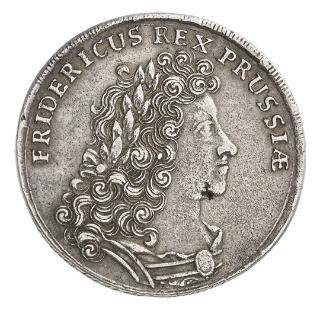 Obverse
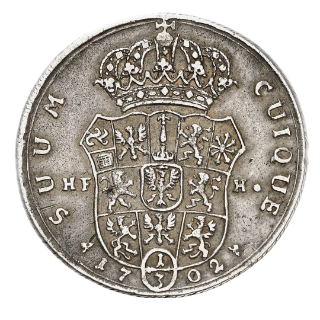 Reverse
Design Features
The obverse of the Prussia ⅓ thaler features the inscription "FRIDERICUS REX PRUSSIAE," showcasing the authority of King Frederick I of Prussia. On the reverse side, the design displays "1/3" above "SUUM CUIQUE," translating to "To Each His Own," reflecting the principles of justice and fairness.
Technical Specifications
- Denomination: ⅓ Thaler
- Country/Issuer: Prussia
- Composition: Silver 0.750
- Weight: 8.66g
- Diameter: 31.50mm
Collectible Value
The Prussia ⅓ thaler from 1702-1712 holds significant collectible value among numismatists and coin enthusiasts. Its historical importance, coupled with its limited mintage period, contributes to its rarity and desirability in the market. Collectors often seek out this coin to add a piece of Prussian history to their collection.
Conclusion
In conclusion, the Prussia ⅓ thaler 1702-1712 silver coin serves as a tangible link to the past, offering a glimpse into the economic and political landscape of the Kingdom of Prussia during the early 18th century. Its unique design, historical significance, and collectible value make it a prized possession for both seasoned collectors and history buffs alike. Acquiring this coin not only adds a valuable piece to a collection but also preserves a piece of Prussian heritage for generations to come.

ScanMyCoin: AI Coin Recognition
Professional AI coin recognition and collection management platform. Identify, learn, and track your coin collection with advanced AI technology and a vast.