

Prussia Prussia 4 pfennig, 1823-1840
Description:
4 pfennig Prussia 4 pfennig, 1823-1840 coin from Prussia. Design, history & value.
1. Introduction
The Prussian 4 pfennig coin minted between 1823 and 1840 holds a significant place in the Kingdom of Prussia's numismatic history. This copper coin not only served as a means of trade but also reflects the artistic and historical richness of the era.
2. Historical Background
During the early 19th century, Prussia, under King Frederick William III, issued these 4 pfennig coins to facilitate everyday transactions among its populace. The coinage system of the Kingdom of Prussia was a reflection of its economic stability and growing influence in Europe.
3. Design Features
The obverse of the coin features the inscription "90 EINEN THALER," symbolizing the coin's value in comparison to the Thaler currency. On the reverse, the coin displays "4 PFENNINGE / SCHEIDE MÜNZE," indicating its denomination and status as a circulating currency.
4. Technical Specifications
This 4 pfennig coin weighs 6.09 grams with a diameter of 25.00mm, making it a substantial piece in terms of size and weight. Crafted from copper, the coin showcases durability and a distinctive reddish-brown hue that adds to its visual appeal.
5. Collectible Value
Numismatists and collectors value the Prussian 4 pfennig coin for its historical significance and rarity. Due to its limited mintage period and unique design elements, this coin is highly sought after in the numismatic community. Its market value varies based on factors such as condition, scarcity, and demand among collectors.
6. Conclusion
In conclusion, the Prussia 4 pfennig copper coin from 1823-1840 stands as a testament to the Kingdom of Prussia's economic prowess and artistic heritage. Its intricate design, historical context, and collectible value make it a prized possession for both numismatists and history enthusiasts alike. Owning this coin not only adds a tangible piece of history to a collection but also opens a window to the past, showcasing the beauty and significance of Prussian numismatics.
Coin Images
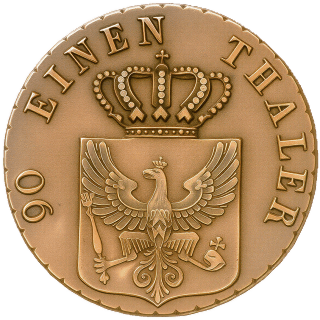 Obverse
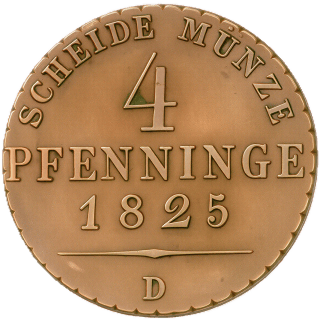 Reverse

ScanMyCoin: AI Coin Recognition
Professional AI coin recognition and collection management platform. Identify, learn, and track your coin collection with advanced AI technology and a vast.