

Prussia Prussia 2 d'Or, 1753-1755
Description:
2 d'Or Prussia 2 d'Or, 1753-1755 coin from Prussia. Design, history & value.
Introduction
The Prussia 2 d'Or, minted from 1753 to 1755, stands as a testament to the elegance and grandeur of the Kingdom of Prussia's coinage during the 18th century. This gold coin carries historical significance and artistic beauty that captivates numismatists and collectors worldwide.
Historical Background
Issued by Prussia, this 2 d'Or coin was a denomination under the Kingdom of Prussia's currency system from 1750 to 1820. During this period, Prussia, under the rule of Frederick II, flourished economically and politically, leaving a lasting legacy reflected in its coinage.
Coin Images
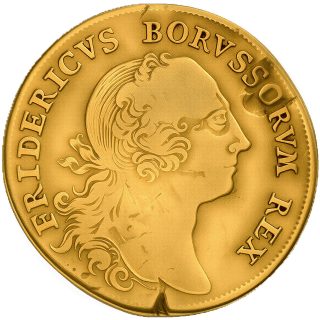 Obverse
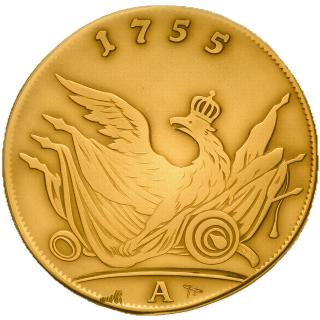 Reverse
Design Features
The obverse of the Prussia 2 d'Or coin features the inscription "FRIDERICUS BORUSSORUM REX," honoring Frederick II, the King of Prussia. The reverse showcases the majestic Prussian coat of arms, symbolizing the strength and sovereignty of the kingdom.
Technical Specifications
This exquisite coin is composed of 90% gold, weighing 13.36 grams. With a diameter that fits perfectly in the palm of your hand, the Prussia 2 d'Or exemplifies precision in minting and craftsmanship.
Collectible Value
The Prussia 2 d'Or gold coin holds significant value in the numismatic world due to its historical importance, intricate design, and limited mintage between 1753 and 1755. Collectors covet this rare piece for its scarcity and connection to Prussia's rich heritage, making it a prized addition to any collection.
Conclusion
In conclusion, the Prussia 2 d'Or gold coin from 1753-1755 is a treasure trove of history and artistry. Its representation of Prussian royalty and craftsmanship makes it a coveted piece among collectors. Owning this coin not only adds value to a collection but also allows one to hold a piece of Prussian history in their hands, appreciating the legacy of a bygone era. This detailed article sheds light on the exquisite Prussia 2 d'Or gold coin, inviting both seasoned numismatists and enthusiasts to delve into the allure of this rare and valuable piece of history.

ScanMyCoin: AI Coin Recognition
Professional AI coin recognition and collection management platform. Identify, learn, and track your coin collection with advanced AI technology and a vast.