

Poland Poland 6 groszy, 1532-1535
Posted on: December 2, 2025
keywords: Poland, Poland 6 groszy, 1532-1535, 6 groszy, coin collecting, numismatics, Poland
Description:
6 groszy Poland 6 groszy, 1532-1535 coin from Poland. Design, history & value.
- Introduction: The Poland 6 Groszy coin minted between 1532 and 1535 during the reign of Sigismund I the Old holds a significant place in Polish numismatics. This silver coin is a testament to the rich history, artistry, and craftsmanship of the Polish mint.
- Historical Background: Issued under the authority of Poland, the 6 Groszy coin was part of the monetary system during the reign of Sigismund I the Old, a period known for its cultural and economic prosperity. These coins were essential for daily transactions and symbolized the power and stability of the Polish state.
- Design Features: The obverse of the coin features the inscription "SIGISMVN I REX POLO DO TOCI PRVSS," indicating Sigismund I as the King of Poland and Grand Duke of Lithuania. On the reverse side, the legend "GROSS AR SEXDVP TERR PRVSSI / VI" encircles the denomination "VI," signifying 6 groszy.
- Technical Specifications: This silver coin weighs 5.34 grams with a diameter of 28.00mm. The composition of the coin reflects the purity and value of silver used during that era, showcasing the craftsmanship and precision of Polish minting.
- Collectible Value: The Poland 6 Groszy coin from 1532-1535 holds significant historical and numismatic value. Due to its age, limited mintage, and association with Sigismund I the Old, this coin is highly sought after by collectors. Its rarity and cultural significance contribute to its market value and desirability among numismatists.
- Conclusion: In conclusion, the Poland 6 Groszy 1532-1535 silver coin featuring Sigismund I the Old is a remarkable piece of Polish numismatic history. Its intricate design, historical importance, and collectible value make it a prized addition to any coin collection. Owning this coin not only offers a glimpse into Poland's past but also allows collectors to appreciate the artistry and heritage encapsulated in this ancient currency.
Coin Images
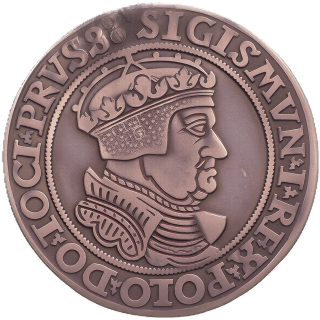 Obverse
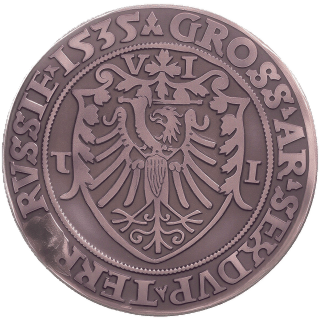 Reverse

ScanMyCoin: AI Coin Recognition
Professional AI coin recognition and collection management platform. Identify, learn, and track your coin collection with advanced AI technology and a vast.