

Poland Poland 3 grosze, 1765-1766
Posted on: December 2, 2025
keywords: Poland, Poland 3 grosze, 1765-1766, 3 grosze, coin collecting, numismatics, Poland
Description:
3 grosze Poland 3 grosze, 1765-1766 coin from Poland. Design, history & value.
- Introduction: The Poland 3 grosze coin minted between 1765 and 1766 under the rule of Stanisław August Poniatowski holds historical significance and numismatic value. This copper coin is a testament to Poland's rich monetary heritage and the reign of Poniatowski.
- Historical Background: During Poniatowski's reign from 1764 to 1795, Poland faced political turmoil and external pressures. The 3 grosze coin was part of the monetary system aimed to stabilize the economy and reflect the country's sovereignty.
- Design Features: The obverse of the coin features the inscription "STANISLAUS AUG D.G. REX POL M D L," portraying Poniatowski as the King of Poland. On the reverse, the coin displays "GROSSUS POLON:TRIPLEX," indicating its denomination as 3 grosze.
- Technical Specifications: This coin weighs 11.69 grams, with a diameter of 26.00mm, and is composed of copper. The detailed engravings on both sides reflect the artistry and precision of the minting process during that era.
- Collectible Value: The Poland 3 grosze coin from 1765-1766 is sought after by collectors due to its historical significance and limited availability. Its market value varies based on condition and rarity, making it a valuable addition to any numismatist's collection.
- Conclusion: In conclusion, the Poland 3 grosze coin from 1765-1766 is a remarkable piece of Polish numismatic history. Its association with Stanisław August Poniatowski and the intricate designs make it a prized possession for collectors and a symbol of Poland's vibrant past. By exploring the unique features and historical context of this coin, collectors and enthusiasts can appreciate its value beyond its monetary worth. This detailed article aims to shed light on the significance of the Poland 3 grosze coin from 1765-1766, celebrating its place in Polish numismatics and inviting admiration for its artistry and history.
Coin Images
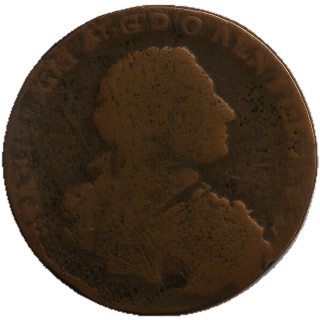 Obverse
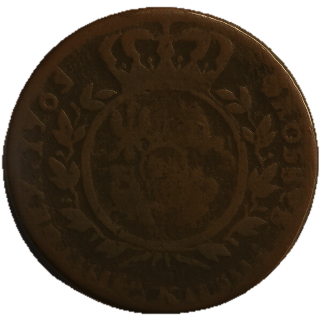 Reverse

ScanMyCoin: AI Coin Recognition
Professional AI coin recognition and collection management platform. Identify, learn, and track your coin collection with advanced AI technology and a vast.