

Poland Poland 30 groszy, 1665
Description:
30 groszy Poland 30 groszy, 1665 coin from Poland. Design, history & value.
Introduction
The Poland 30 groszy coin from 1665 is a remarkable piece of numismatic history that offers insights into the reign of John II Casimir Vasa and the monetary system of Poland during the 17th century. This silver coin not only serves as a tangible link to the past but also showcases the artistic and technical proficiency of the minting process of that era.
Historical Background
During the reign of John II Casimir Vasa (1649 - 1668), Poland witnessed significant political and economic developments. The 30 groszy coin was part of the monetary system established by the Polish Crown to facilitate trade and commerce within the kingdom. These coins were minted to reflect the authority and stability of the Polish monarchy at that time.
Coin Images
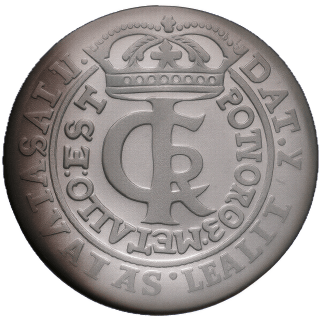 Obverse
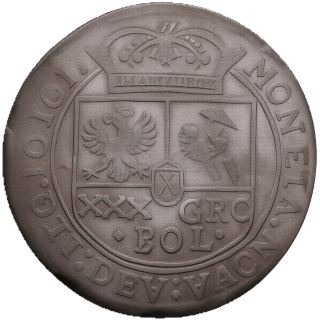 Reverse
Design Features
The obverse of the coin features the inscription "ICR / MONET NOV ARG REG POL / POTIORQ 3 METALLO EST," emphasizing the authority of the Polish Crown in issuing the currency. On the reverse side, the coin displays "MONET NOV ARG REG POL / XXX GRO POL," indicating the denomination of 30 groszy.
Technical Specifications
This silver coin weighs 6.72g and has a diameter of 31.00mm, making it a substantial piece in terms of size and weight. The composition of silver adds to its intrinsic value and historical significance as a precious metal coin from the 17th century.
Collectible Value
The Poland 30 groszy 1665 coin holds both historical and collectible significance. Its association with John II Casimir Vasa, coupled with its rarity and age, makes it a prized possession for numismatists and collectors alike. The market value of this coin can vary based on its condition, provenance, and overall demand in the numismatic market.
Conclusion
In conclusion, the Poland 30 groszy 1665 silver coin stands as a testament to the rich numismatic heritage of Poland and the reign of John II Casimir Vasa. Its intricate design, historical context, and collectible value make it a desirable addition to any coin collection. By owning this coin, collectors not only acquire a piece of Polish history but also a tangible connection to a bygone era of monetary craftsmanship and royal authority.

ScanMyCoin: AI Coin Recognition
Professional AI coin recognition and collection management platform. Identify, learn, and track your coin collection with advanced AI technology and a vast.