

Poland Poland 30 groszy, 1664-1666
Description:
30 groszy Poland 30 groszy, 1664-1666 coin from Poland. Design, history & value.
Introduction
The Poland 30 groszy coin minted between 1664 and 1666 under the rule of John II Casimir Vasa holds a significant place in numismatic history. This silver coin showcases exquisite craftsmanship and historical importance, making it a coveted piece among collectors worldwide.
Historical Background
During the reign of John II Casimir Vasa (1649-1668), Poland witnessed a period of significant political and economic changes. The 30 groszy denomination was a crucial part of the monetary system at that time, reflecting the country's economic stability and trade relationships.
Coin Images
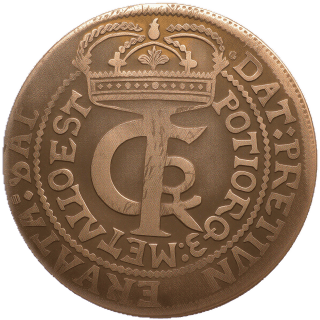 Obverse
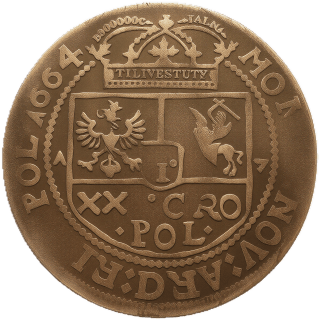 Reverse
Design Features
The obverse of the coin features the inscription "DAT PRETIVM SERVATA SALVS / ICR / POTIORQ3 METALLO EST," highlighting the importance of preserving health over wealth. On the reverse side, the design reads "MONET NOV ARG REG POL / XXX GRO POL," indicating the coin's denomination and origin.
Technical Specifications
This silver coin weighs 6.72g and has a diameter of 31.00mm, making it a substantial piece in terms of both weight and size. The composition of silver adds to its allure and value, showcasing the fine quality of craftsmanship prevalent during that era.
Collectible Value
The Poland 30 groszy coin from 1664-1666 holds immense collectible value due to its historical significance and limited availability. Its rarity level makes it a prized possession for numismatists seeking to enrich their collections with coins from the John II Casimir Vasa era. In the market, this coin commands a premium due to its scarcity and desirability among collectors.
Conclusion
In conclusion, the Poland 30 groszy silver coin from 1664-1666 stands as a testament to Poland's rich numismatic heritage and the reign of John II Casimir Vasa. Its unique design, historical context, and collectible value make it a must-have for serious collectors and enthusiasts alike. Acquiring this coin not only adds a valuable piece to a collection but also preserves a piece of Poland's fascinating history for generations to come.

ScanMyCoin: AI Coin Recognition
Professional AI coin recognition and collection management platform. Identify, learn, and track your coin collection with advanced AI technology and a vast.