

Poland Poland 1 solid, 1629-1632
Description:
1 solid Poland 1 solid, 1629-1632 coin from Poland. Design, history & value.
Introduction
The Poland 1 solid coin minted between 1629-1632 holds a significant place in numismatic history due to its association with the Swedish occupation of Elbing. This silver coin not only serves as a testament to Poland's tumultuous past but also showcases exquisite craftsmanship and design elements that captivate collectors worldwide.
Historical Background
During the period of 1626 to 1657, Elbing, a crucial trading city, was under Swedish occupation. In response to this turbulent era, Poland issued the 1 solid coin, bearing witness to the political and economic upheavals of the time. The coin's presence symbolizes the intersecting paths of power struggles and monetary systems in 17th-century Europe.
Coin Images
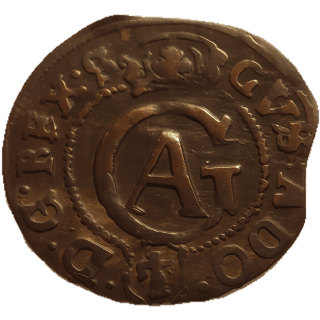 Obverse
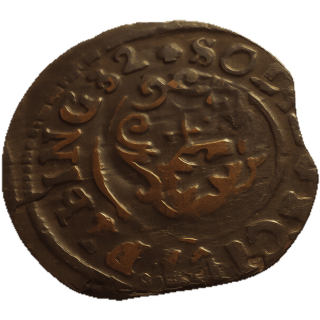 Reverse
Design Features
The obverse of the Poland 1 solid coin displays the inscription "GA / GVS ADO D G REX S," signifying the issuing authority and the ruler of the period. On the reverse side, the coin features the inscription "SOLIDUS CIVI ELBING," emphasizing its connection to the city of Elbing and its role in commerce during the Swedish occupation.
Technical Specifications
This silver coin weighs 0.57g with a diameter of 16.20mm, making it a petite yet historically significant piece. Crafted from silver, the coin's composition adds to its allure and collectible value. The intricate details of the design are a testament to the skilled craftsmanship of the minters of that era.
Collectible Value
The Poland 1 solid coin from 1629-1632 holds not only historical significance but also a considerable collectible value. Due to its association with a specific period in Polish and Swedish history, this coin appeals to both seasoned numismatists and collectors interested in European medieval coins. Its rarity and unique design elements contribute to its desirability among coin enthusiasts.
Conclusion
In conclusion, the Poland 1 solid silver coin minted during the Swedish occupation of Elbing offers a window into a turbulent yet fascinating period in European history. Its intricate designs, historical context, and collectible value make it a prized possession for any coin collector. By owning a piece of this numismatic treasure, one can hold a tangible link to the past and appreciate the artistry and craftsmanship of a bygone era.

ScanMyCoin: AI Coin Recognition
Professional AI coin recognition and collection management platform. Identify, learn, and track your coin collection with advanced AI technology and a vast.