

Poland Poland 1 grosz, 1810-1814
Description:
1 grosz Poland 1 grosz, 1810-1814 coin from Poland. Design, history & value.
Introduction
The Poland 1 grosz coin, minted between 1810 and 1814, holds a significant place in numismatic history. As part of the coinage of the Duchy of Warsaw, this copper coin not only reflects the monetary system of its time but also carries unique design elements that make it a sought-after collectible today.
Historical Background
The Duchy of Warsaw, established in 1807, was a short-lived state created by Napoleon Bonaparte. The coinage of the Duchy included denominations like the grosz, with the 1 grosz coin being a staple of everyday transactions. This coin circulated during a turbulent period in European history, witnessing Napoleonic wars and political upheavals.
Coin Images
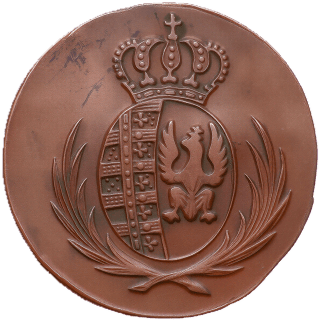 Obverse
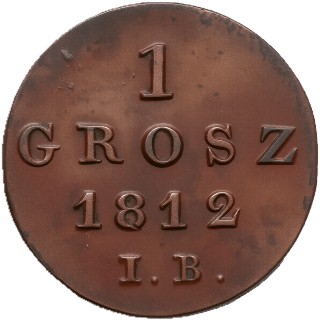 Reverse
Design Features
The obverse of the Poland 1 grosz coin features a depiction of the coat of arms, adorned with crowns and a wreath, symbolizing the authority and sovereignty of the issuing authority. On the reverse, the numeral "1" is prominently displayed alongside the denomination "GROSZ," emphasizing the coin's face value.
Technical Specifications
This copper coin weighs 1.70 grams and has a diameter of 21.00mm, making it a relatively small denomination suitable for everyday transactions. The use of copper as the composition material was common for lower denominations during this period due to its availability and cost-effectiveness.
Collectible Value
Despite its humble denomination, the Poland 1 grosz coin is a prized collectible for numismatists. Its historical significance, association with the Duchy of Warsaw, and unique design elements contribute to its desirability among coin collectors. The market value of these coins can vary based on their condition, rarity, and historical provenance.
Conclusion
In conclusion, the Poland 1 grosz copper coin minted from 1810 to 1814 offers a fascinating glimpse into the monetary history of the Duchy of Warsaw. Its historical context, intricate design features, and collectible value make it a valuable addition to any numismatic collection. By owning a piece of this coinage, collectors can connect with a pivotal period in European history and appreciate the artistry of early 19th-century coinage. By following this structured approach, you can create an engaging and informative article that appeals to both seasoned collectors and those interested in the history of numismatics.

ScanMyCoin: AI Coin Recognition
Professional AI coin recognition and collection management platform. Identify, learn, and track your coin collection with advanced AI technology and a vast.