

Poland Poland 1 dukat, 1633-1634
Description:
1 dukat Poland 1 dukat, 1633-1634 coin from Poland. Design, history & value.
Introduction
The Poland 1 dukat gold coin minted during the reign of Władysław IV between 1633 and 1634 holds a significant place in Polish numismatic history. This exquisite coin not only showcases the artistic prowess of the time but also reflects the political and economic landscape of Poland during the 17th century.
Historical Background
Issued under the authority of Poland, this coin was part of the currency system established during the reign of Władysław IV, a period marked by various political and social changes. The minting of gold coins like the 1 dukat was a testament to the economic stability and power of the Polish-Lithuanian Commonwealth during this era.
Coin Images
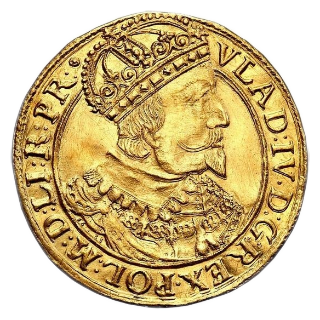 Obverse
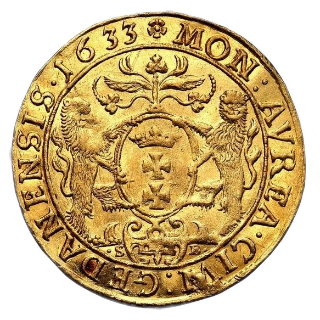 Reverse
Design Features
The obverse of the coin features the inscription "VLAD IV D G REX POL M D LIT R PR" which translates to "Władysław, by the grace of God, King of Poland, Grand Duke of Lithuania, Ruthenia, Prussia." The reverse displays the Latin legend "MON AVREA CIVI GEDANENSIS" indicating the coin's connection to the city of Gdańsk.
Technical Specifications
This gold coin weighs 3.50g with a diameter of 22.00mm, made from 98.6% gold (0.986 fineness). Its size and weight reflect the precision and craftsmanship of the minting process during the 17th century, making it a valuable piece for collectors and historians alike.
Collectible Value
The Poland 1 dukat from 1633-1634 holds both historical and collectible significance. Due to its limited mintage and historical importance, this coin is highly sought after by numismatists worldwide. Its rarity and connection to a specific period in Polish history contribute to its market value and desirability among coin collectors.
Conclusion
In conclusion, the Poland 1 dukat gold coin from 1633-1634, featuring the portrait of Władysław IV, represents a fascinating blend of artistry, history, and numismatic value. Its intricate design, historical context, and precious metal content make it a prized possession for collectors interested in Polish coinage and the reign of Władysław IV. By exploring the unique features and historical background of this coin, collectors and enthusiasts can appreciate its significance within the broader context of Polish numismatics and the rich heritage of the Polish-Lithuanian Commonwealth.

ScanMyCoin: AI Coin Recognition
Professional AI coin recognition and collection management platform. Identify, learn, and track your coin collection with advanced AI technology and a vast.