

Philippines Philippines 5 centavos, 1927
Description:
5 centavos Philippines 5 centavos, 1927 coin from Philippines. Design, history & value.
Introduction
The Philippines 5 centavos coin from 1927 holds a special place in numismatic history due to its association with the Culion Leprosarium and the Philippine Health Service. This coin not only serves as a piece of currency but also tells a tale of healthcare initiatives and social welfare programs in the early 20th century Philippines.
Historical Background
Issued in 1927 by the Philippines, this 5 centavos coin was part of the Leprosarium Coinage series minted between 1913 and 1930. The Culion Leprosarium, located in the Philippines, was a significant institution dedicated to the treatment and care of individuals affected by leprosy. The coin's connection to the Philippine Health Service underscores the government's commitment to public health during this period.
Coin Images
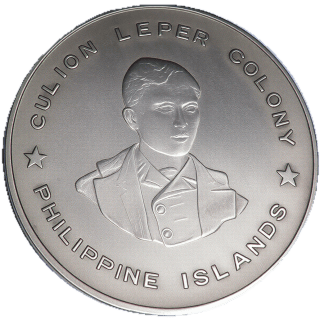 Obverse
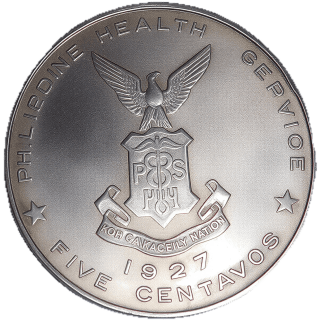 Reverse
Design Features
The obverse of the coin features the inscription "CULION LEPER COLONY" above "PHILIPPINE ISLANDS," symbolizing the colony's location and purpose. On the reverse, the year "1927" is inscribed above "FIVE CENTAVOS" and "PHILIPPINE HEALTH SERVICE," emphasizing the coin's link to healthcare initiatives.
Technical Specifications
This coin has a diameter of 24.60mm and is composed of copper-nickel. Its design reflects the cultural and historical context of the Culion Leprosarium and the Philippine Health Service, making it a valuable piece for collectors interested in social history.
Collectible Value
The Philippines 1927 5 centavos coin holds both historical and numismatic significance, making it a sought-after item among collectors. Its association with a specific period in Philippine healthcare history adds to its collectible value. Due to its limited mintage and unique theme, this coin is considered rare and desirable among numismatists.
Conclusion
In conclusion, the Philippines 5 centavos 1927 coin is not just a piece of currency but a symbol of public health efforts and social welfare initiatives in the Philippines during the early 20th century. Its historical importance, coupled with its unique design and limited availability, make it a prized addition to any coin collection, especially for those interested in the intersection of numismatics and social history.

ScanMyCoin: AI Coin Recognition
Professional AI coin recognition and collection management platform. Identify, learn, and track your coin collection with advanced AI technology and a vast.