

Philippines Philippines 25 centavos, 1958-1966
Description:
25 centavos Philippines 25 centavos, 1958-1966 coin from Philippines. Design, history & value.
Introduction
The Philippines 25 centavos coin, minted between 1958 and 1966, stands as a significant numismatic piece reflecting the history and culture of the Republic of the Philippines during that era. This coin is a testament to the country's economic growth and transition during the mid-20th century.
Historical Background
Issued by the Central Bank of the Philippines, the 25 centavos coin was part of the coinage series of the Republic of the Philippines from 1946 to 1967. This period marked a crucial phase in the country's history as it gained independence from the United States in 1946. The coin symbolizes the young nation's identity and economic development post-independence.
Coin Images
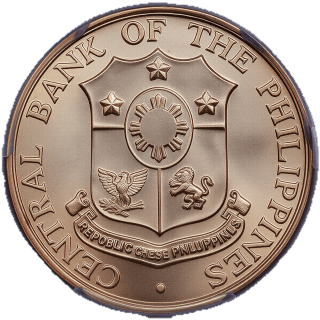 Obverse
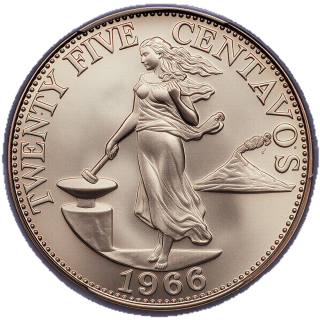 Reverse
Design Features
The obverse of the coin features the inscriptions "CENTRAL BANK OF THE PHILIPPINES" and "REPUBLIC OF THE PHILIPPINES," encircling a central design element. The reverse side simply states "TWENTY FIVE CENTAVOS." The simplicity of the design is complemented by the significance of the inscribed words, representing the authority and value of the coin within the Philippines.
Technical Specifications
This 25 centavos coin weighs 5.00 grams and has a diameter of 23.50mm. It is composed of a blend of Copper, Zinc, and Nickel, ensuring durability and longevity in circulation. The coin's specifications adhere to international standards, making it a recognizable and easily tradable denomination.
Collectible Value
The Philippines 25 centavos coin from 1958 to 1966 holds both historical and collectible significance. Its limited mintage period and unique design make it a sought-after piece among numismatists. Collectors value this coin for its representation of a specific period in Philippine history and its scarcity in the market. The condition of the coin, rarity, and demand influence its market value, with well-preserved pieces commanding higher prices.
Conclusion
In conclusion, the Philippines 25 centavos coin from 1958 to 1966 is a valuable addition to any numismatic collection. Its historical relevance, unique design, and collectible value make it a prized possession for both enthusiasts and investors. By owning this coin, one not only acquires a piece of Philippine history but also a tangible symbol of the country's progress and cultural heritage during the mid-20th century.

ScanMyCoin: AI Coin Recognition
Professional AI coin recognition and collection management platform. Identify, learn, and track your coin collection with advanced AI technology and a vast.