

Philippines Philippines 20 centavos, 1920
Posted on: December 2, 2025
keywords: Philippines, Philippines 20 centavos, 1920, 20 centavos, coin collecting, numismatics, Philippines
Description:
20 centavos Philippines 20 centavos, 1920 coin from Philippines. Design, history & value.
- Introduction: The Philippines 20 centavos coin minted in 1920 holds a unique place in numismatic history as part of the Leprosarium Coinage series. This coin was circulated within the Culion Leper Colony, serving both as a form of currency and a symbol of the challenges faced by individuals in the colony during the early 20th century.
- Historical Background: Issued by the Philippines, this coin was exclusively used in the Culion Leper Colony, reflecting the efforts to establish a self-sufficient community for those affected by leprosy. The Culion Leper Colony was a pioneering institution in the treatment and care of leprosy patients in the early 1900s, making this coin a testament to the healthcare initiatives of the time.
- Design Features: The obverse of the coin features the inscription "20 CENTAVOS / CULION LEPER COLONY / PHILIPPINE ISLANDS," highlighting its association with the leper colony. On the reverse side, the year "1920" is displayed alongside the text "BUREAU OF HEALTH," emphasizing the coin's connection to public health initiatives.
- Technical Specifications: This coin has a diameter of 32.30mm and is composed of aluminium, making it distinctive among circulating currencies of that era. The use of aluminium was practical due to its lightweight nature and resistance to corrosion, suitable for daily transactions within the colony.
- Collectible Value: The Philippines 20 centavos 1920 coin is highly sought after by collectors due to its historical significance and limited availability. Its association with the Culion Leper Colony adds to its collectible value, with collectors often appreciating coins that reflect unique societal contexts. The rarity of this coin contributes to its market value, making it a prized addition to numismatic collections.
- Conclusion: In conclusion, the Philippines 20 centavos 1920 coin stands as a remarkable piece of numismatic history, shedding light on the healthcare practices and societal structures of the early 20th century. Its distinctive design and connection to the Culion Leper Colony make it a valuable asset for collectors interested in coins with a rich historical background. Acquiring this coin not only adds a unique piece to a collection but also preserves a tangible link to a significant chapter in the Philippines' healthcare history.
Coin Images
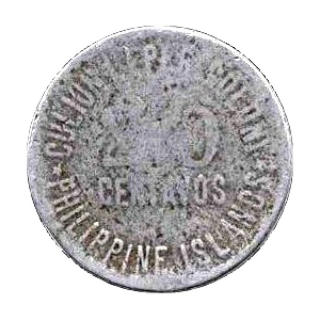 Obverse
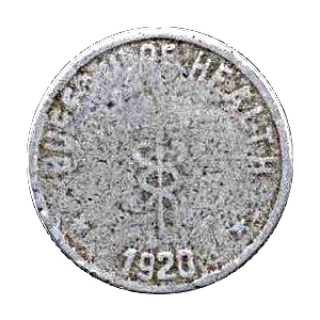 Reverse

ScanMyCoin: AI Coin Recognition
Professional AI coin recognition and collection management platform. Identify, learn, and track your coin collection with advanced AI technology and a vast.