

Philippines Philippines 20 centavos, 1913
Description:
20 centavos Philippines 20 centavos, 1913 coin from Philippines. Design, history & value.
Introduction
The Philippines 20 centavos 1913 coin holds a significant place in numismatic history due to its association with the Culion Leper Colony and the Bureau of Health. This aluminum coin, minted in 1913, serves as a poignant reminder of a challenging period in the Philippines' healthcare system.
Historical Background
Issued by the Philippines, this coin falls under the category of Leprosarium Coinage, circulated between 1913 and 1930. The Culion Leper Colony, established in 1906, aimed to address the leprosy epidemic in the Philippines. The coin's connection to this humanitarian effort adds depth to its historical significance.
Coin Images
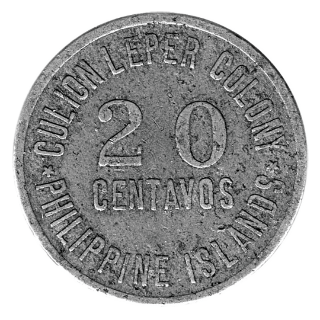 Obverse
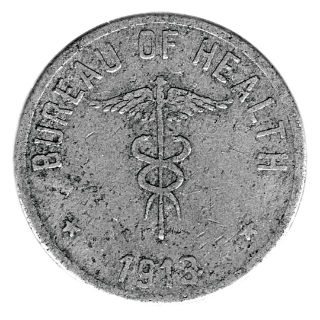 Reverse
Design Features
The obverse of the coin features the inscriptions "20 CENTAVOS" and "CULION LEPER COLONY" above "PHILIPPINE ISLANDS." This design symbolizes the colony's association with the country. On the reverse side, the year "1913" is displayed above "BUREAU OF HEALTH," highlighting the coin's role in supporting public health initiatives.
Technical Specifications
This coin has a diameter of 32.00mm and is composed of aluminum, making it a lightweight addition to any collection. The choice of material and design reflects the coin's intended use within the healthcare system, emphasizing its historical context and purpose.
Collectible Value
The Philippines 20 centavos 1913 coin holds both historical and collectible significance. Due to its association with the Culion Leper Colony and the Bureau of Health, this coin appeals to collectors interested in healthcare history and social welfare initiatives. Its rarity and unique design contribute to its value among numismatists.
Conclusion
In conclusion, the Philippines 20 centavos 1913 coin stands as a symbol of the country's efforts to combat leprosy and promote public health. Its historical background, distinctive design, and collectible value make it a valuable addition to any coin collection. This coin serves as a testament to the Philippines' dedication to healthcare advancements during the early 20th century.

ScanMyCoin: AI Coin Recognition
Professional AI coin recognition and collection management platform. Identify, learn, and track your coin collection with advanced AI technology and a vast.