

Palatinate Palatinate ½ kreuzer, 1758-1764
Description:
½ kreuzer Palatinate ½ kreuzer, 1758-1764 coin from Palatinate. Design, history & value.
Introduction
The Palatinate ½ kreuzer coin, minted between 1758 and 1764, holds a significant place in numismatic history. As a product of the Electoral Palatinate, this silver (Billon) coin offers collectors a glimpse into the past with its intricate design and historical value.
Historical Background
The Palatinate, a region in present-day Germany, was an important electoral principality during the 18th century. The issuance of the ½ kreuzer coin by the Palatinate authority between 1758 and 1764 served as a means of economic exchange and a symbol of regional power.
Coin Images
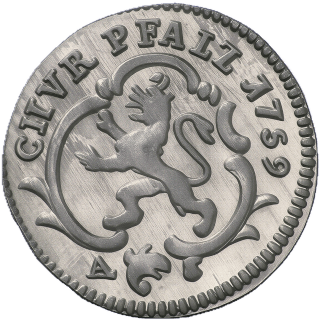 Obverse
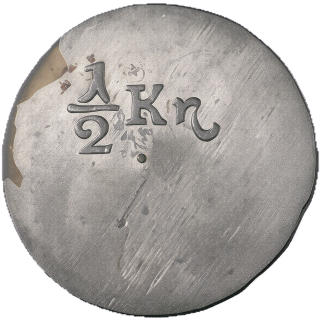 Reverse
Design Features
The obverse of the coin features the inscription "CHVR PFALZ," representing the Latin abbreviation for "Chur Pfalz," denoting the Electoral Palatinate. The reverse side displays the denomination "½ Kr," indicating its value as half a kreuzer. The simplicity of the design is contrasted by the historical significance it carries.
Technical Specifications
This silver (Billon) coin measures [specify size] and weighs [specify weight]. The composition of Billon, a mixture of silver and base metals, adds to the coin's durability while maintaining its intrinsic value. The precise technical details of the coin contribute to its authenticity and desirability among collectors.
Collectible Value
The Palatinate ½ kreuzer coin from 1758-1764 holds both historical and collectible significance. Its rarity, coupled with its connection to a specific time and place, makes it a sought-after item among numismatists. The market value of this coin reflects its scarcity and desirability, making it a valuable addition to any coin collection.
Conclusion
In conclusion, the Palatinate ½ kreuzer coin from the period of 1758-1764 stands as a testament to the rich history of the Electoral Palatinate. Its unique design, historical background, and collectible value make it a prized possession for both seasoned collectors and history enthusiasts. Owning a piece of this numismatic treasure not only adds value to a collection but also preserves a piece of the past for future generations to admire.

ScanMyCoin: AI Coin Recognition
Professional AI coin recognition and collection management platform. Identify, learn, and track your coin collection with advanced AI technology and a vast.