

Palatinate Palatinate 20 kreuzer, 1731-1736
Description:
20 kreuzer Palatinate 20 kreuzer, 1731-1736 coin from Palatinate. Design, history & value.
Introduction
The Palatinate 20 kreuzer coin minted between 1731 and 1736 stands as a numismatic marvel from the Electoral Palatinate era. This silver coin encapsulates the historical and artistic essence of the region, making it a coveted piece among collectors worldwide.
Historical Background
The Palatinate, a significant German territory during the 18th century, issued the 20 kreuzer coin as part of its currency system. The Electoral Palatinate period, spanning from 1717 to 1760, witnessed a flourishing economy and cultural development, reflected in the coinage of the era.
Coin Images
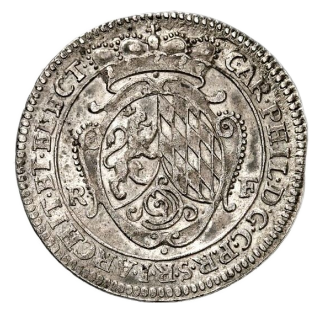 Obverse
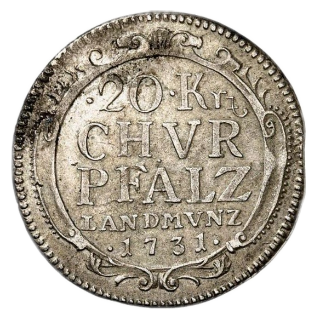 Reverse
Design Features
The obverse of the coin features the inscription "CAR PHIL D G C P R S R I ARCHIT ET ELECT," indicating the reigning monarch's title – Charles Philip, Count Palatine by the Grace of God, Holy Roman Empire, Archduke, and Elector. On the reverse, the design showcases "20 KR / CHVR PFALZ / LANDMVNZ," denoting the denomination and the mint authority of the Palatinate.
Technical Specifications
- Country/Issuer: Palatinate
- Denomination: 20 kreuzer
- Composition: Silver
- Diameter: 25.50mm
- Period: 1731-1736
Collectible Value
The Palatinate 20 kreuzer coin holds both historical and numismatic significance, contributing to its collectible value. Its rarity, coupled with the intricate design and silver composition, makes it a prized possession for coin enthusiasts. The market value of this coin may vary based on its condition, historical demand, and availability in the numismatic market.
Conclusion
In conclusion, the Palatinate 20 kreuzer silver coin from the years 1731 to 1736 represents a tangible link to the rich history and cultural heritage of the Electoral Palatinate. Its exquisite design, historical context, and collectible value make it a standout piece in any numismatist's collection, embodying the legacy of a bygone era. By delving into the details of the Palatinate 20 kreuzer coin, one can appreciate not only its monetary value but also the stories and significance it carries from a pivotal period in European history.

ScanMyCoin: AI Coin Recognition
Professional AI coin recognition and collection management platform. Identify, learn, and track your coin collection with advanced AI technology and a vast.