

Ottoman Empire Ottoman Empire 1 para, 1168 (1754)
Posted on: December 2, 2025
keywords: Ottoman Empire, Ottoman Empire 1 para, 1168 (1754), 1 para, coin collecting, numismatics, Ottoman Empire
Description:
1 para Ottoman Empire 1 para, 1168 (1754) coin from Ottoman Empire. Design, history & value.
- Introduction
The Ottoman Empire's 1 para coin from 1168 AH (1754 AD) represents a fascinating piece of numismatic history. This silver billon coin bears the distinctive Tughra design and holds both historical and collectible significance. - Historical Background
During the Ottoman Empire's reign from 1730 to 1754, this 1 para coin served as a fractional currency unit. The empire's vast territory and influence made its coins widely circulated and recognizable across regions. - Design Features
The obverse of the coin showcases the intricate Tughra, a calligraphic monogram representing the sultan's name. On the reverse, the inscription "ضرب في / قسطنطينية" indicates the mint city of Constantinople (modern-day Istanbul), adding to the coin's historical context. - Technical Specifications
This 1 para coin weighs 0.52 grams and has a diameter of 15.00mm. Crafted from silver billon, it reflects the Ottoman Empire's coinage standards of the time. - Collectible Value
Due to its historical significance and limited mintage, the Ottoman Empire 1 para coin from 1754 holds both numismatic and historical value. Collectors seek out such coins for their rarity and connection to a bygone era, contributing to their market demand and value. - Conclusion
In conclusion, the Ottoman Empire 1 para coin of 1754 stands as a testament to the empire's rich numismatic heritage. Its unique design, historical context, and collectible value make it a prized addition to any coin collection, appealing to both enthusiasts and historians alike. By delving into the details of this coin's history, design, and significance, collectors and enthusiasts can appreciate the cultural and numismatic importance encapsulated within the Ottoman Empire 1 para coin from 1754.
Coin Images
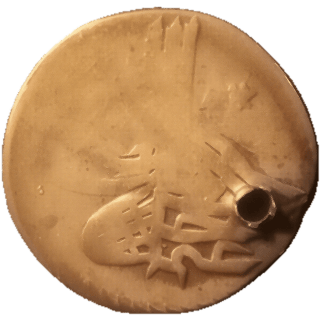 Obverse
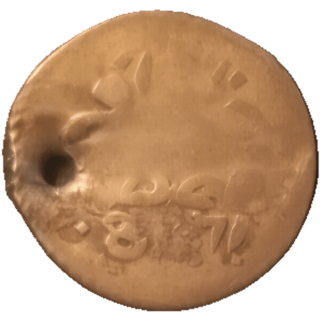 Reverse

ScanMyCoin: AI Coin Recognition
Professional AI coin recognition and collection management platform. Identify, learn, and track your coin collection with advanced AI technology and a vast.