

Oldenburg Oldenburg 4 grote, 1816-1818
Description:
4 grote Oldenburg 4 grote, 1816-1818 coin from Oldenburg. Design, history & value.
Introduction
The Oldenburg 4 grote silver coin, minted between 1816 and 1818, holds a significant place in the numismatic history of the Grand Duchy of Oldenburg. This coin stands as a testament to the region's economic prosperity and political stability during the early 19th century.
Historical Background
The Grand Duchy of Oldenburg, a German state located in the northwest of present-day Germany, issued this 4 grote silver coin during the reign of the issuing authority. The coinage system of Oldenburg reflected the prevailing monetary standards of the time and played a vital role in facilitating trade and commerce within the region.
Coin Images
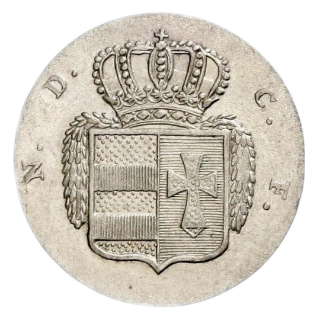 Obverse
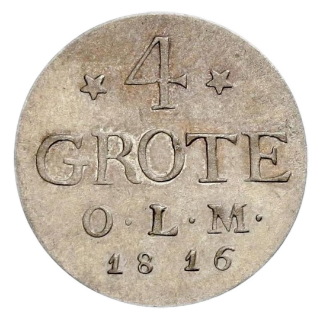 Reverse
Design Features
The obverse of the Oldenburg 4 grote coin features the initials "N. D. C. F.," likely representing the authority responsible for the coin's design or minting. On the reverse side, the denomination "4 GROTE" is inscribed above "O L M," possibly denoting Oldenburg Mint.
Technical Specifications
This silver coin weighs 2.39 grams with a diameter of 21.00mm. Composed of 0.340 silver, the Oldenburg 4 grote coin embodies the traditional silver coinage standards prevalent during the early 19th century.
Collectible Value
Oldenburg coins, especially those from the early 19th century, are highly sought after by collectors due to their historical significance and scarcity. The 4 grote denomination adds to the uniqueness of this coin, making it a desirable addition to numismatic collections. The market value of these coins can vary based on factors such as condition, rarity, and demand among collectors.
Conclusion
In conclusion, the Oldenburg 4 grote silver coin from 1816-1818 represents a fascinating piece of numismatic history from the Grand Duchy of Oldenburg. Its intricate design, historical relevance, and collectible value make it a prized possession for coin enthusiasts and collectors alike. By understanding the significance of this coin, we gain insight into the economic and cultural landscape of Oldenburg during the early 19th century.

ScanMyCoin: AI Coin Recognition
Professional AI coin recognition and collection management platform. Identify, learn, and track your coin collection with advanced AI technology and a vast.