

Norway Norway 2 öre, 1909-1952
Description:
2 öre Norway 2 öre, 1909-1952 coin from Norway. Design, history & value.
Introduction: The Norway 2 öre coin from 1909 to 1952, featuring King Haakon VII, holds a special place in numismatic history. This coin not only represents a specific era in Norway but also showcases the artistic and technical prowess of its time. Historical Background: Issued by Norway under King Haakon VII, this 2 öre coin circulated during a period of significant political and social change. It reflects the country's transition into the modern era and the reign of a pivotal monarch in Norwegian history. Design Features: The obverse of the coin displays the inscription "KONGERIKET NORGE," emphasizing Norway's status as a kingdom. On the reverse, the denomination "2 ØRE" is prominently featured, surrounded by a simple yet elegant design. The overall aesthetic of the coin exudes a sense of regality and tradition. Technical Specifications: This bronze coin weighs 4.00g and has a diameter of 21.00mm, making it convenient for circulation during its time. The choice of bronze as the composition speaks to the durability and practicality of the coin for everyday transactions. Collectible Value: In today's numismatic market, the Norway 2 öre coin from 1909 to 1952 holds significant collecting value. Its historical relevance, coupled with its limited mintage period, contributes to its desirability among collectors. Depending on the coin's condition and rarity, its market value can vary, making it a sought-after piece for numismatists. Conclusion: In conclusion, the Norway 2 öre coin from the King Haakon VII era stands as a testament to Norway's rich history and numismatic heritage. Its intricate design, coupled with its historical importance, makes it a prized possession for collectors and a valuable piece of Norwegian currency history. By delving into the intricate details of the Norway 2 öre coin from 1909 to 1952, collectors and enthusiasts can appreciate the artistry, history, and significance encapsulated within this numismatic treasure.
Coin Images
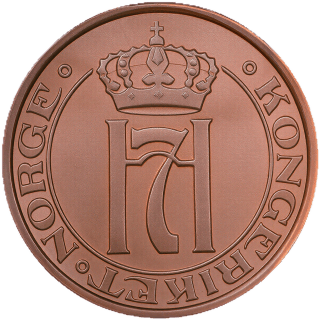 Obverse
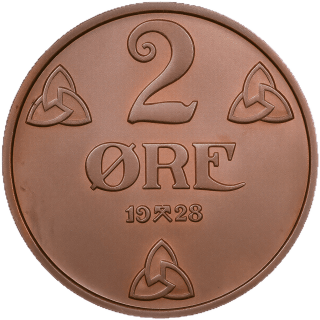 Reverse

ScanMyCoin: AI Coin Recognition
Professional AI coin recognition and collection management platform. Identify, learn, and track your coin collection with advanced AI technology and a vast.